
1In 1 playlists
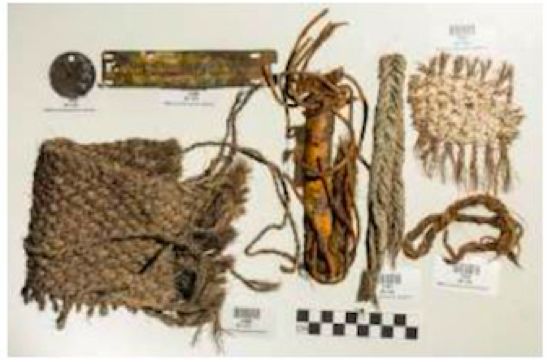
The practice of twisting fiber strands together to make cordage is, arguably, one of the most ancient of technologies. Before machines, human hands turned cordage into items ranging from simple bow strings to elaborate fishing nets. For people living on B.C. coasts, who depended on the ocean for food, cordage would have been essential for survival.
By Liz Crocker
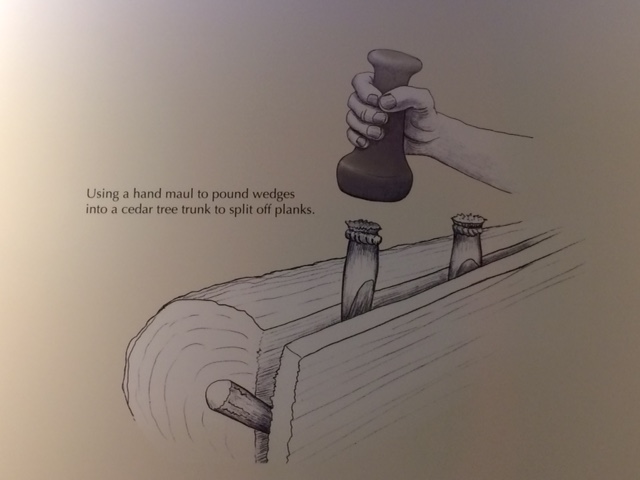
Illustration from the Royal BC Museum archaeology gallery of antler wedges and a stone hand maul being used for woodworking.

By Liz Crocker
This paddle is from the Royal BC Museum Ethnology collection. View the object in the collection here:
By Liz Crocker
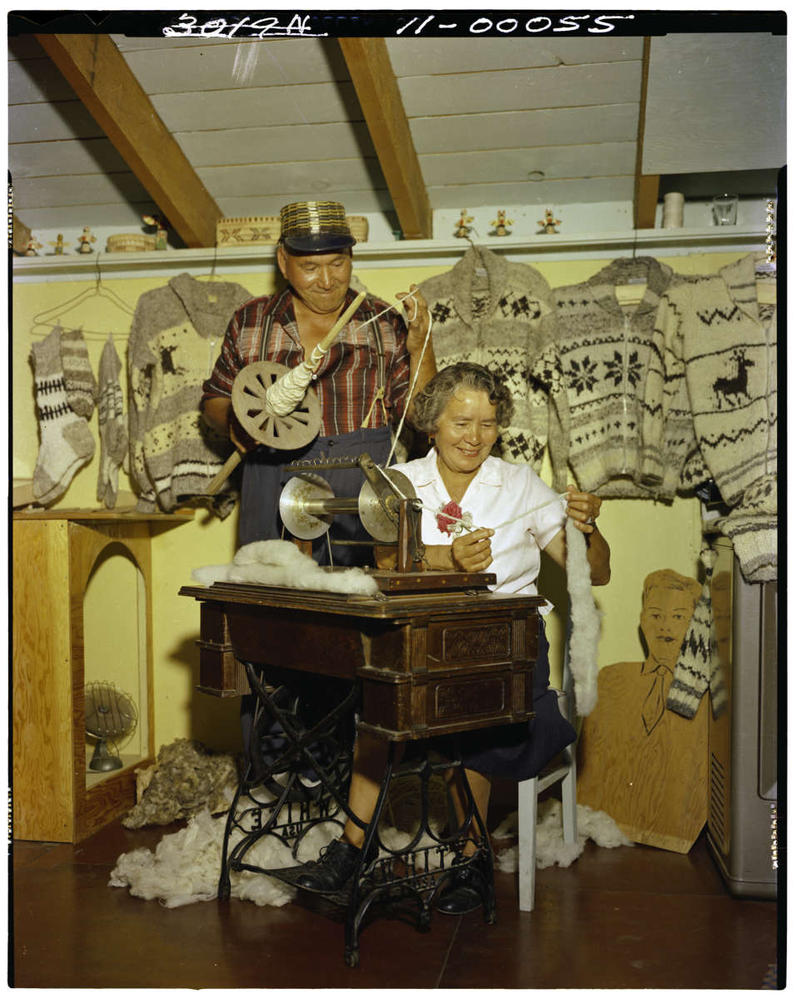
This image is from the BC Archives. Learn more about the image here: <http://search-bcarchives.royalbcmuseum.bc.ca/spinning-wool-for-cowichan-indian-sweaters>
By Liz Crocker
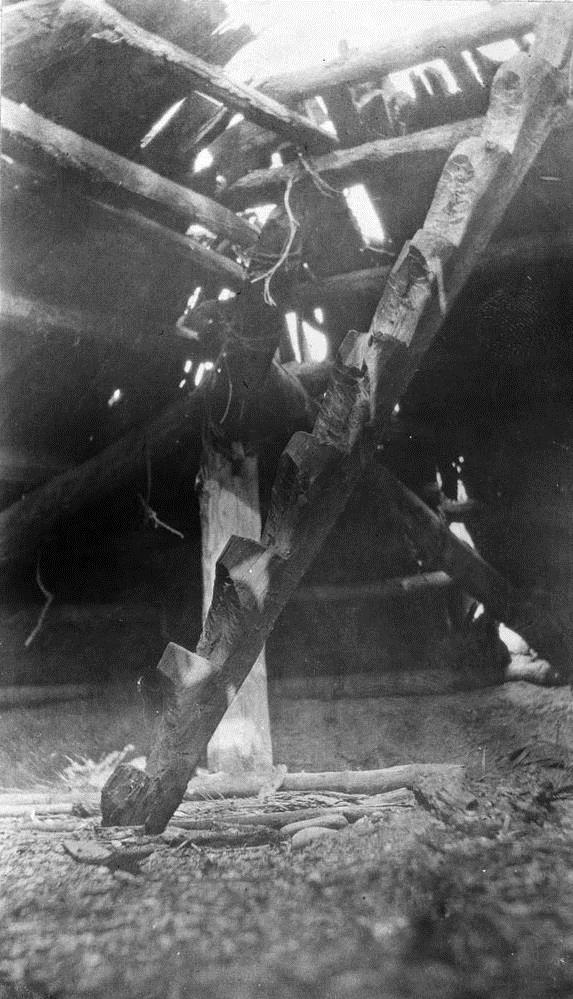
This image is from the BC Archives. Learn more about the image here: <http://search-bcarchives.royalbcmuseum.bc.ca/kickwilli-hules-1907-inside-of-pit-house> .
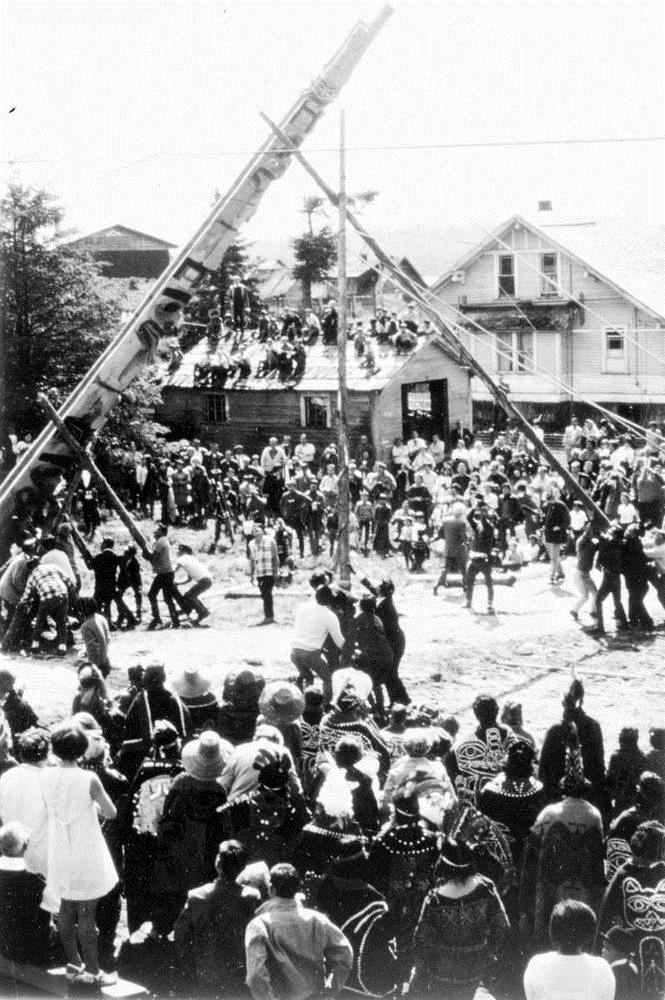
By Liz Crocker
This image is from BC Archives. Learn more about the image here: <http://search-bcarchives.royalbcmuseum.bc.ca/raising-totem-pole-at-masset>

By Liz Crocker
This is an antler wedge in the Royal BC Museum collection.
1In 1 playlists
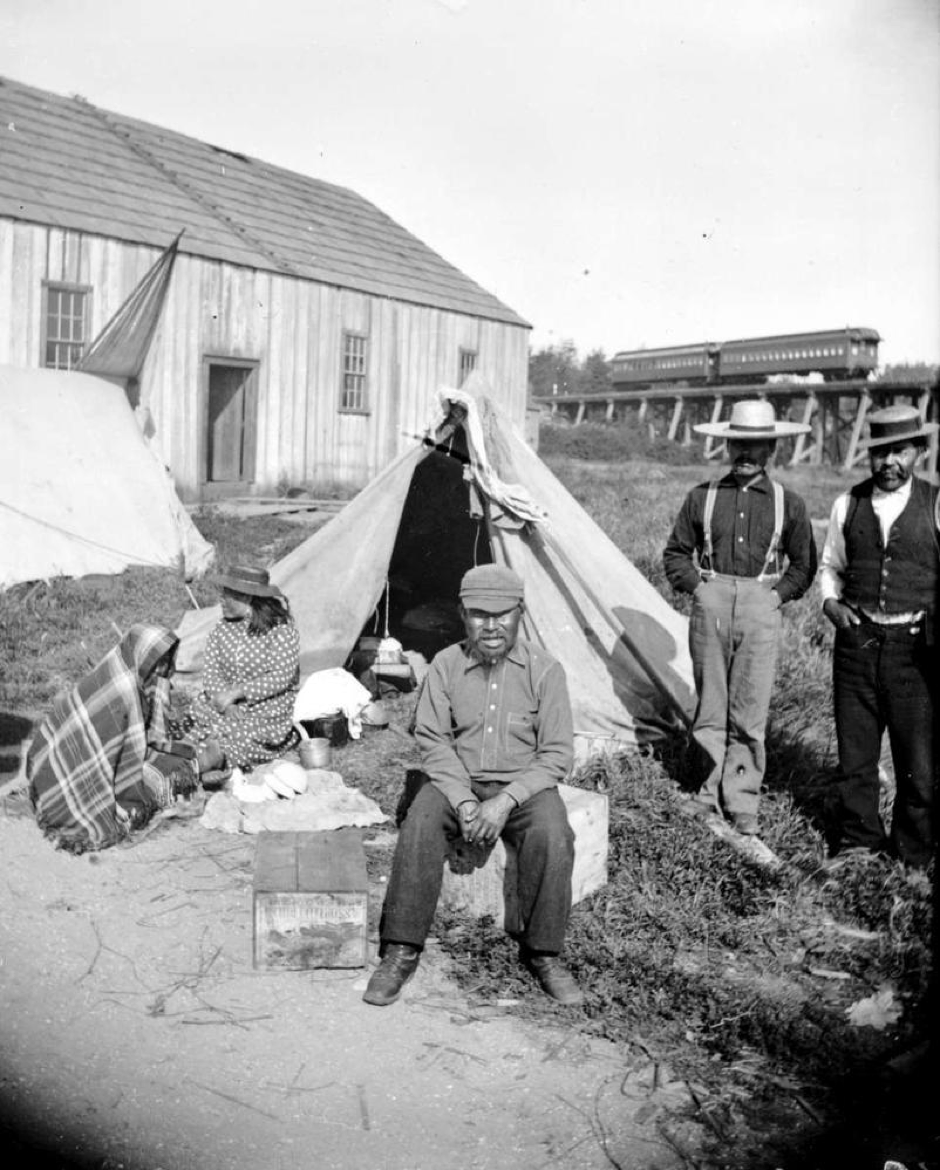
Victoria has always been a melting pot of cultures! After Victoria was established, many First Nations came from up and down the coast to work and trade. Luckily for archaeologists and historians, their presence can be seen in the archaeological record. Unearthed northern basketry indicates First Nations from up north had once lived in Victoria.