

By Aron Brown
Bill C-331 passed in 2005 acknowledges the internment of peoples of Ukrainian origin during WW1 under the authority of Parliament. The enactment represents negotiations between Ukrainian-Canadian organisations and the Government to enact measures that recognize the internment of Ukrainian peoples during WW1.
1In 1 playlists
By Aron Brown
Addressed to Nykolay Andrusiak, a subject of Austria, is a certificate of release from an internment camp at Vernon, B.C. As we can see in the conditions of discharge, Nykolay's conditions reflect many of the sections of the War Measures Act of 1914.
Taken from Library and Archives Canada. MIKAN no. 1604479
Taken from Library and Archives Canada. MIKAN no. 1604479
1In 1 playlists
By Aron Brown
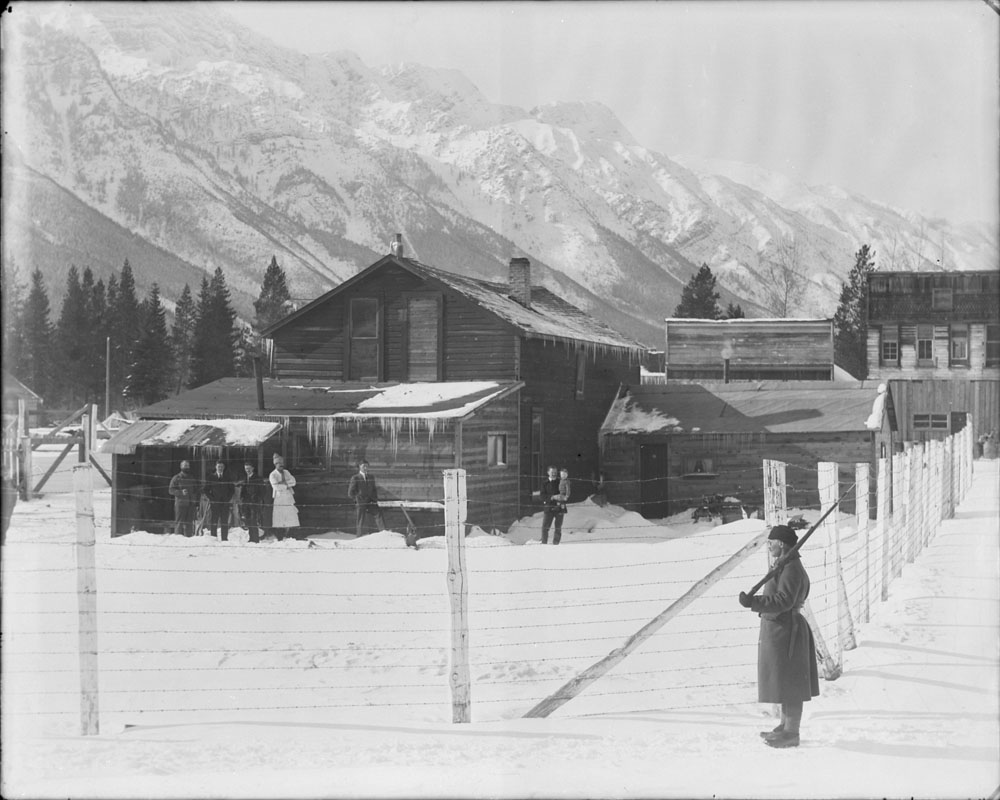
Internment camp at Morrissey B.C. during WW1 for Germanic and Austro-Hungarian people. How does this image contrast the other two images of internment camps in Vernon? What might you be able to tell about living conditions from the photo?
1In 1 playlists
By Aron Brown
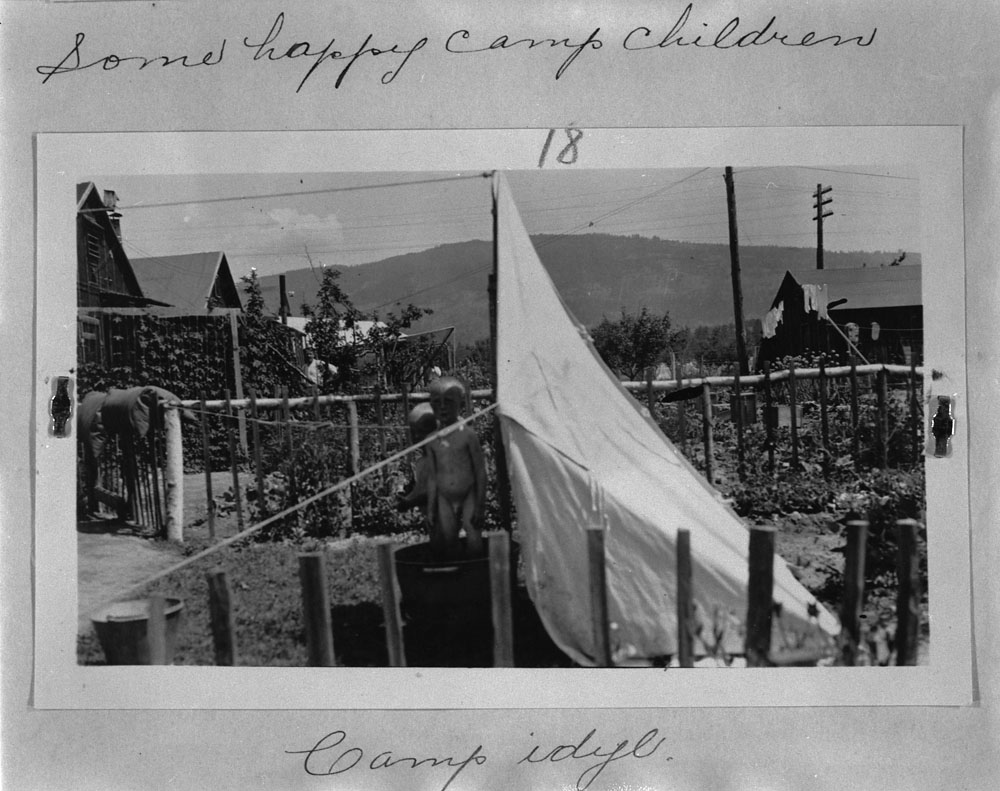
Men, Women, and children were interned at many of these camps during WW1. Here we have an image of two children at an internment camp in Vernon, B.C. On the photograph is written "Some happy camp children." Who might be taking the photo? Could the photo be staged?
1In 1 playlists
By Lindsay Epp
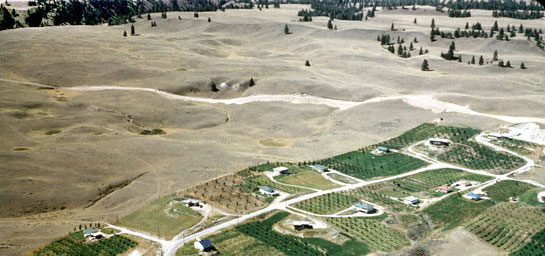
Explore RBCM's virtual exhibit, Journeys & Transformations to experience some of the diversity of B.C.'s changing landscapes.
Click here to view Journeys & Transformations online. (Photo: Stephen Cannings)
Click here to view Journeys & Transformations online. (Photo: Stephen Cannings)
1In 1 playlists
By Lindsay Epp
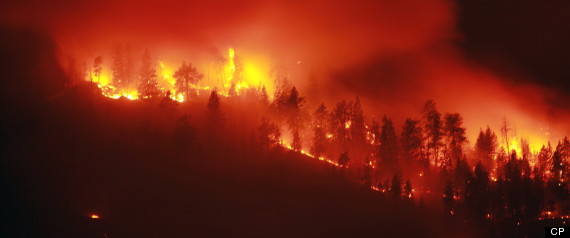
Interior B.C. has had its fair share of wildfires in past years, and with the temperatures rising and forests drying out, wildfire risk has only increased. This particular photo was taken in 2012 near Peachland. (Photo: Jeff Basset, Canadian Press)
1In 1 playlists
By Aron Brown
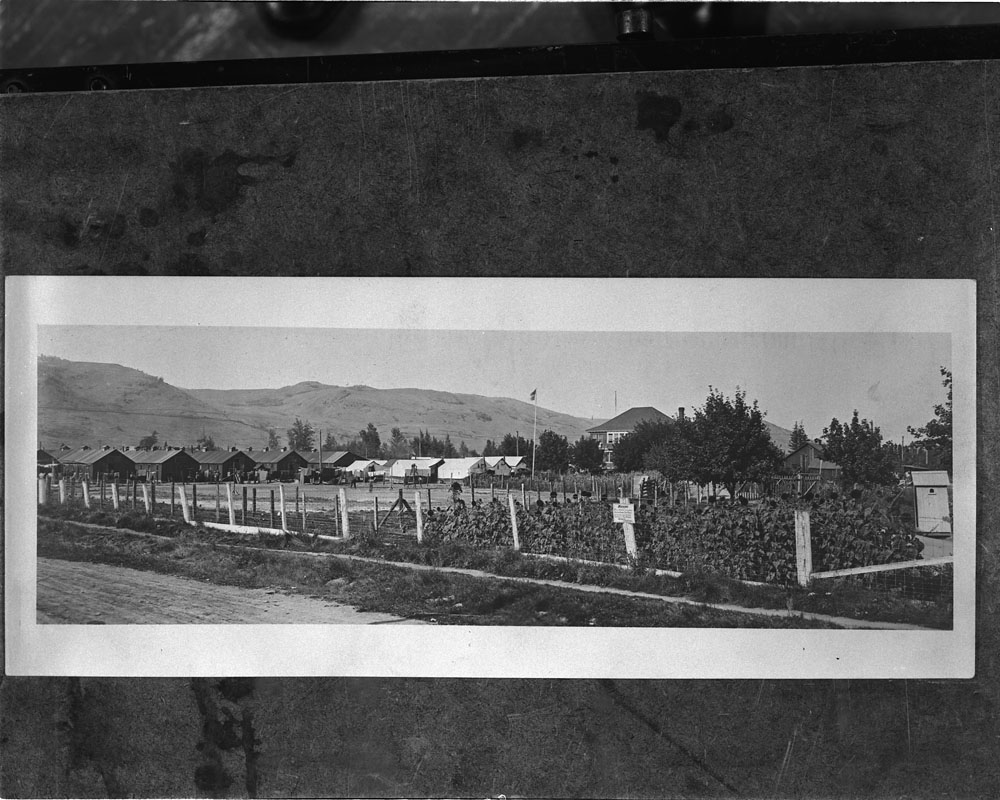
In the image we see a profile of an internment camp in Vernon, B.C. during WW1 for Germanic and Austro-Hungarian prisoners of war. These camps were set up as a way of dealing with "enemy aliens" who were thought as posing a danger to Canada through espionage and sabotage.
1In 1 playlists
By Aron Brown
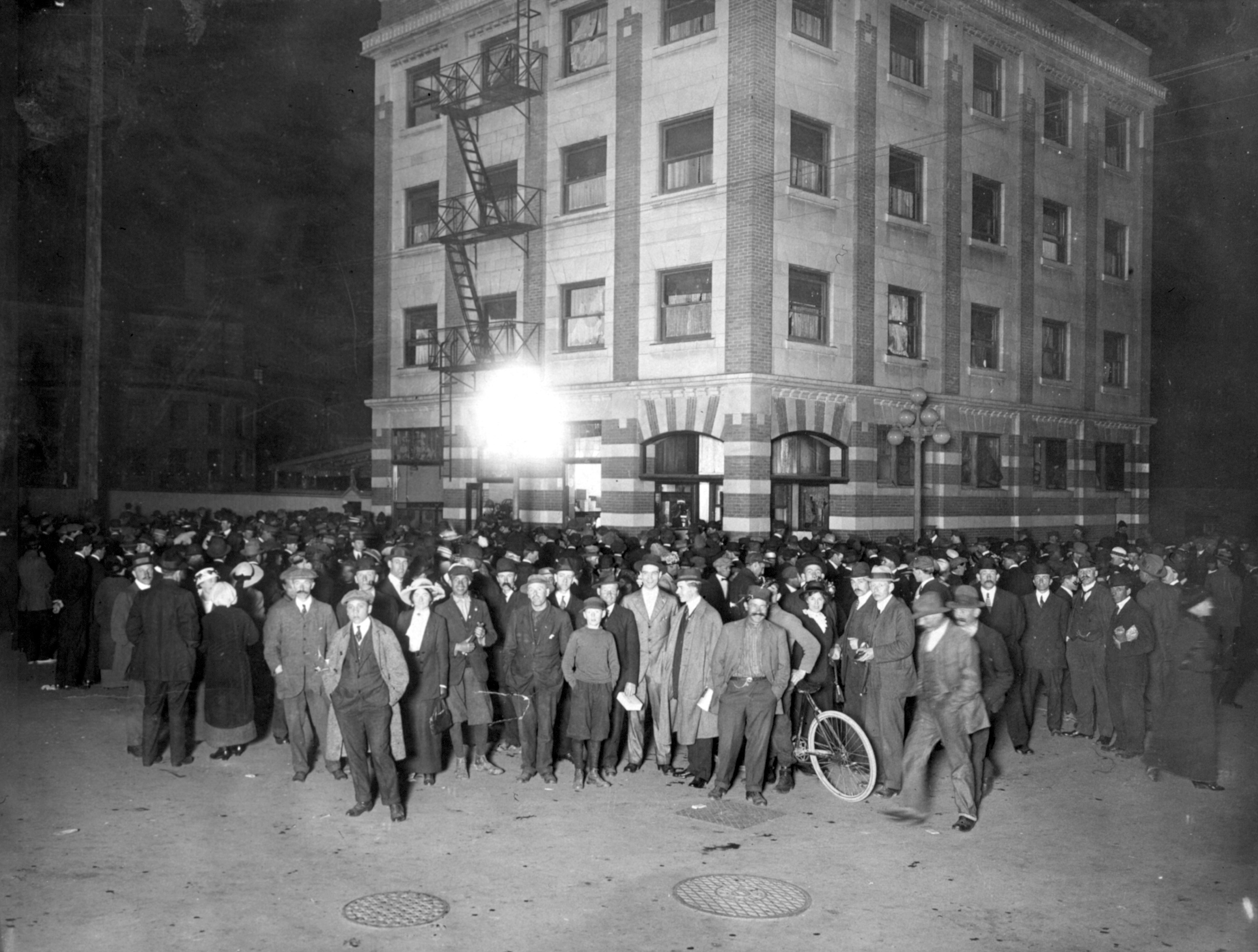
This photo captures a large subset of demonstrators who engaged in the anti-German riots on German owned businesses following the sinking of the SS Lusitania. The demonstrators are pictured outside the Kaiserhof Hotel on May 8th, 1915.