
1In 1 playlists
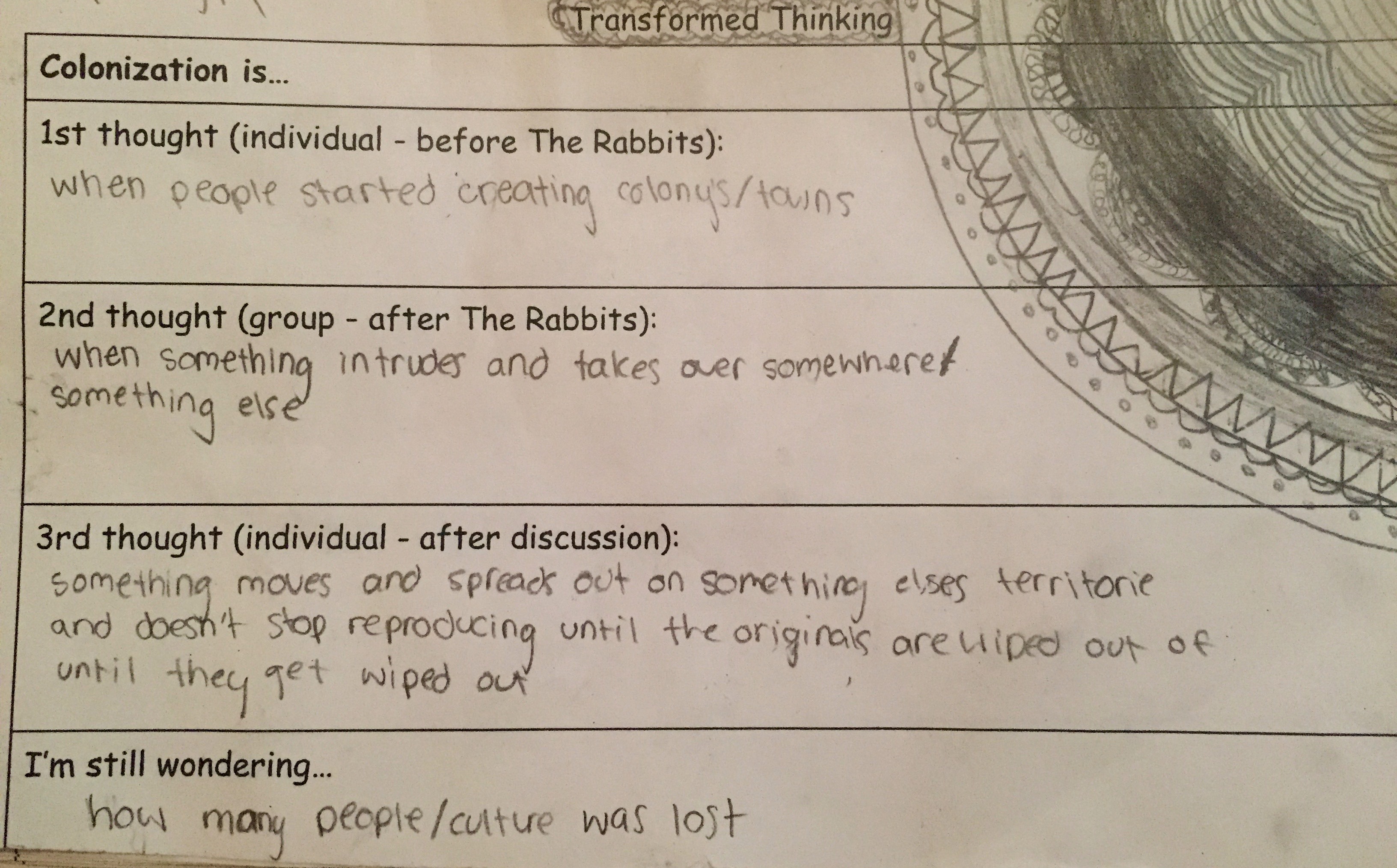
Pictured here is a sample of a transformed thinking response during our reading of The Rabbits, by John Marsden and Shaun Tan.
1In 1 playlists
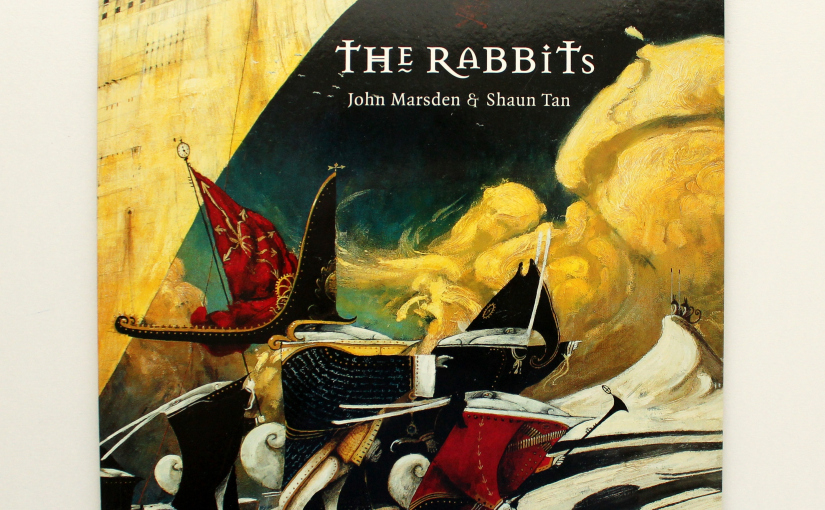
We read the picture book, The Rabbits, to introduce the term 'colonization.' During the reading of the book each student described their transformed thinking as we discussed what colonization means.
1In 1 playlists
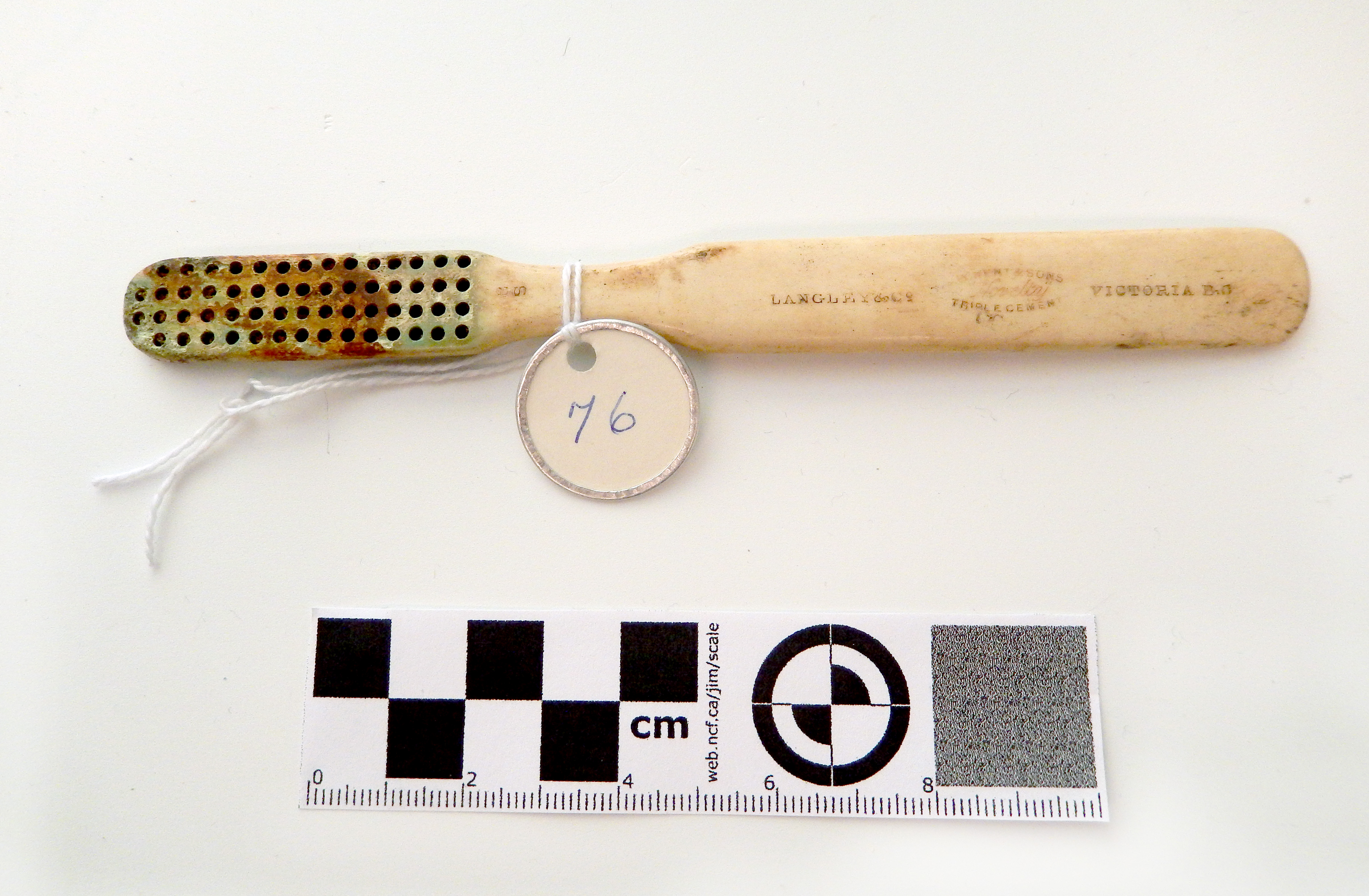
These toothbrushes may have belonged to the nurses that were training there, or they could have been brought there by patients. The tooth brushes are all made of either wood or bone and would have had natural, woven boar or horse hair bristles, as nylon bristles were not invented until the 20th century.

1In 1 playlists
Glass sealed bottles are believed to be some of the earliest marked containers supplied by the British Military. Bottles with glass seals would have contained important materials worthy of the additional costs. The seals had a variety of symbols including: anchors, arrows or the initials of the ruling monarch; VR being Victoria respectively.
1In 1 playlists
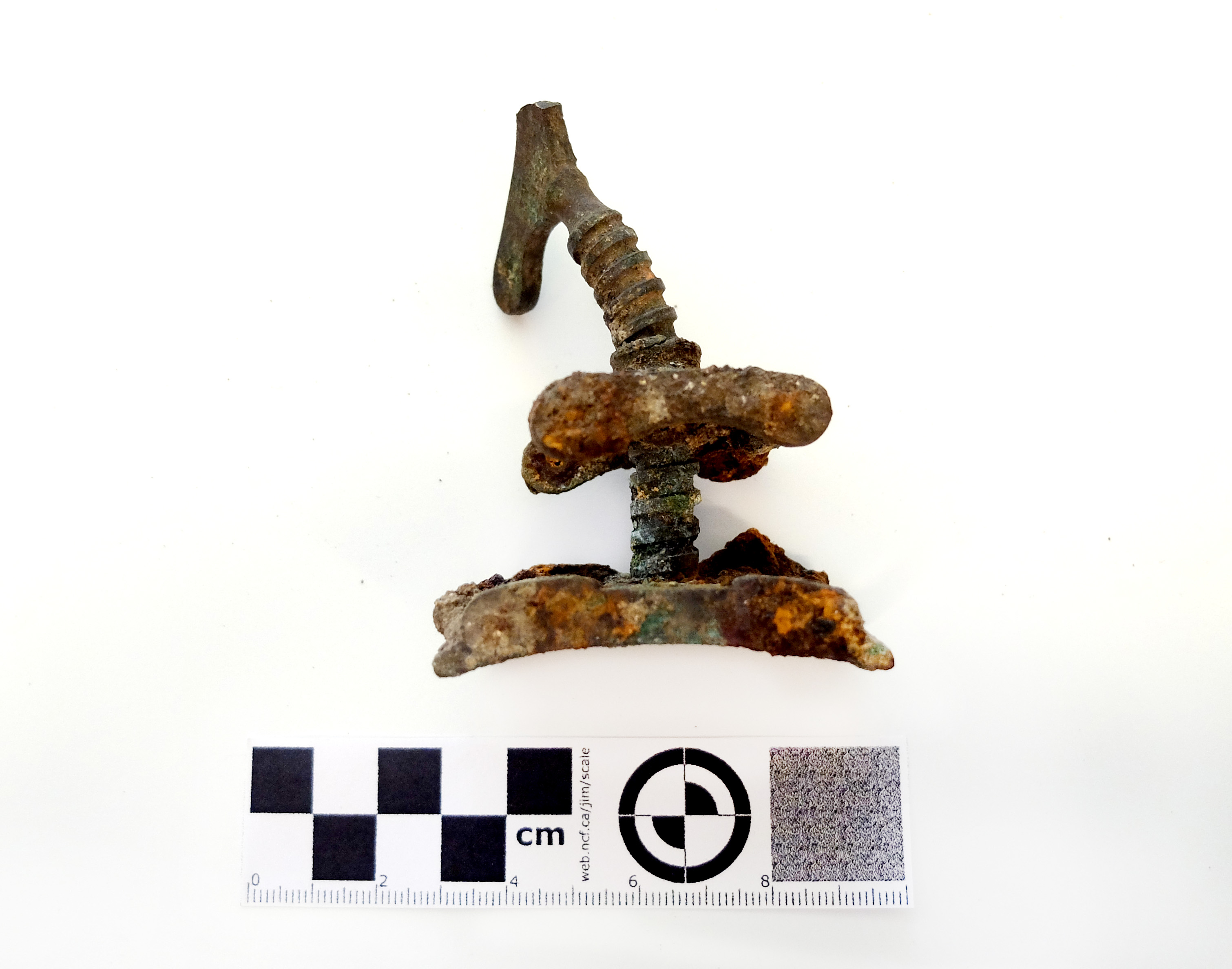
This 19th C tourniquet would have originally been attached to a large strap, which could be tightened around a limb to stem blood flow. In a hospital setting, Petit's tourniquet would have been used during amputations to prevent a patient from bleeding out during surgery.
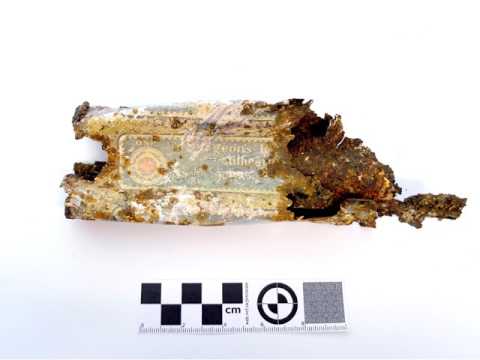
1In 1 playlists
In 1891, the Royal Jubilee School of Nursing, the only school west of Winnipeg, opened to train nurses locally and help to staff the hospital. Nurses were critical to the growth of the hospital and were often run off their feet with diverse and intense responsibilities. This video shows what might have been in an 1890s nursing kit.
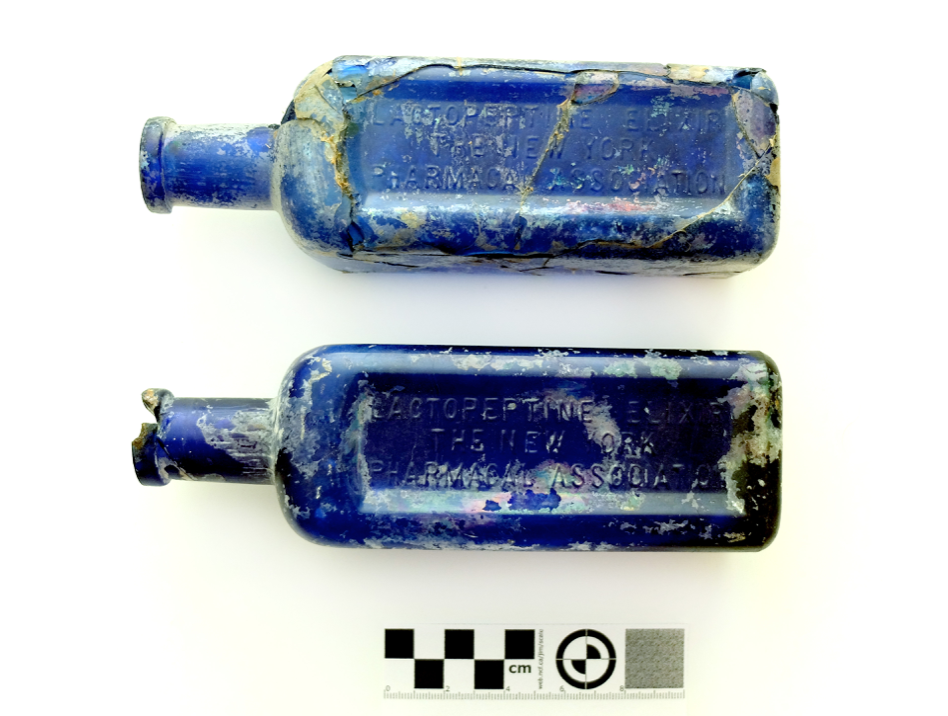
1In 1 playlists
Lactopeptine hit the market in 1877; medical information from the time states that this remedy was commonly used to treat sickness in pregnancy and all other digestive disorders. At this time, it was standard protocol that all medical products would be in distinctly colored or shaped bottles, in order to indicate that medicine was inside.
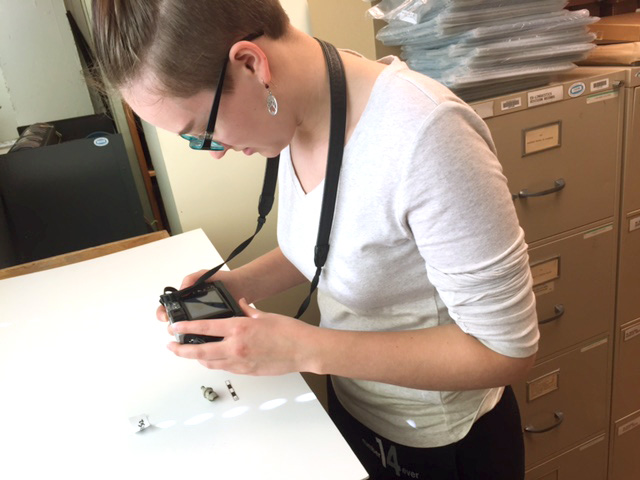
1In 1 playlists
This exhibit was created by Anthropology students from the University of Victoria: Alexa Dagan, Mackenzie Gibson, Anna Heckadon, Carmen Hjermstad, Elisa O'Malley, Darius Pomeroy, and Kanika Varna, with their professor Dr. Katherine Cook, and Genevieve Hill, Grant Keddie and Tom Bown from the RBCM.