

1In 1 playlists
The Songhees village site was occupied between 1844 and 1911. In accordance with B.C. law, artifacts are only protected if they date pre-1846. An archaeological assessment of the site was prompted when a single artifact older than 1846 was uncovered. This site is unique because most of its contents date post-1846!
1In 1 playlists
The Esquimalt Harbour Soundscape takes you on a trip through time. Climb aboard the canoe and listen to the sounds of fishing as the ravens call from the trees. Then follow with us through the ages as canoes are replaced by tall-ships and tall-ships replaced by steam and then diesel.
1In 1 playlists
The Songhees Village Soundscape takes you through the grass to a carving tent. There you can hear the carvers working and children playing in the distance. From the carving tent follow us out to the beach, listen to the seagulls and eagles as you walk along the smooth stones down to the water's edge.
1In 1 playlists
The Chinatown Soundscape takes you through the day of someone living in Victoria's Chinatown (Canada's Oldest) at the turn of the 20th century. Come along and have some tea, follow us down the stairs out onto the wooden walkways, and enjoy the sounds of people visiting and children playing as you wander down the street.
1In 1 playlists
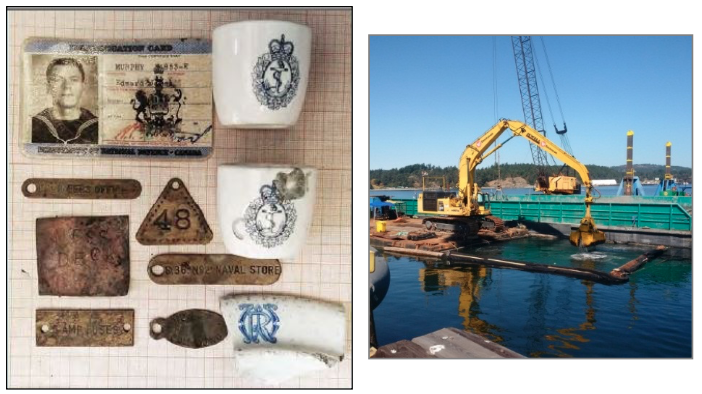
Beginning in 2016, the Department of National Defence initiated a plan to remove 150 years of contaminated sediment on the ocean floor of the Esquimalt harbor. This ongoing dredging project has unveiled hundreds of artifacts, including 19th and early 20th-century naval paraphernalia, amazingly preserved indigenous fishing gear, basketry, and more.
1In 1 playlists
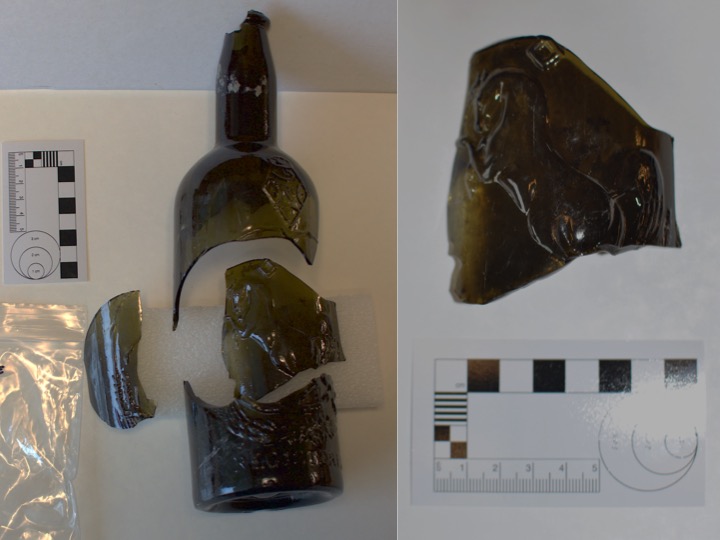
This 1800’s Tooth & Co Australian beer bottle was found in downtown Victoria, buried 6 meters under Store St on the edge of the old harbour. The bottle comes from a storied brewery in the heart of Sydney, Australia found 12,427 km away. Check out the map to follow the story of the people and places behind the bottle! https://goo.gl/XSWj6W
1In 1 playlists
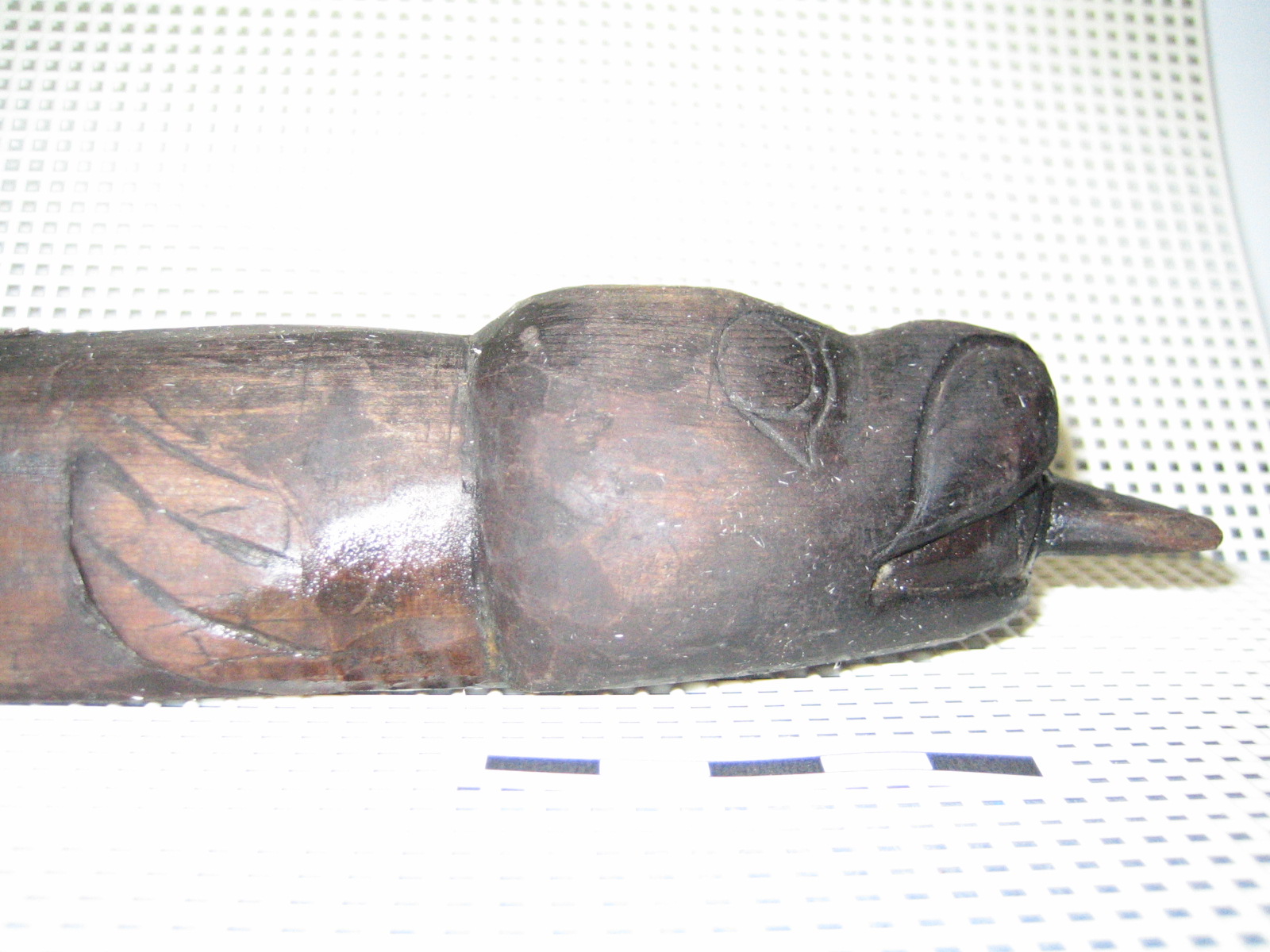
Excavated at Old Songhees Reserve, this hook is a reminder of the daily cultural practices of local first peoples. It does not show wear, however, halibut caught with hooks of the same design were routinely used. The attached carving indicates a Spirit Helper, which aided fishermen in their catch.
1In 1 playlists
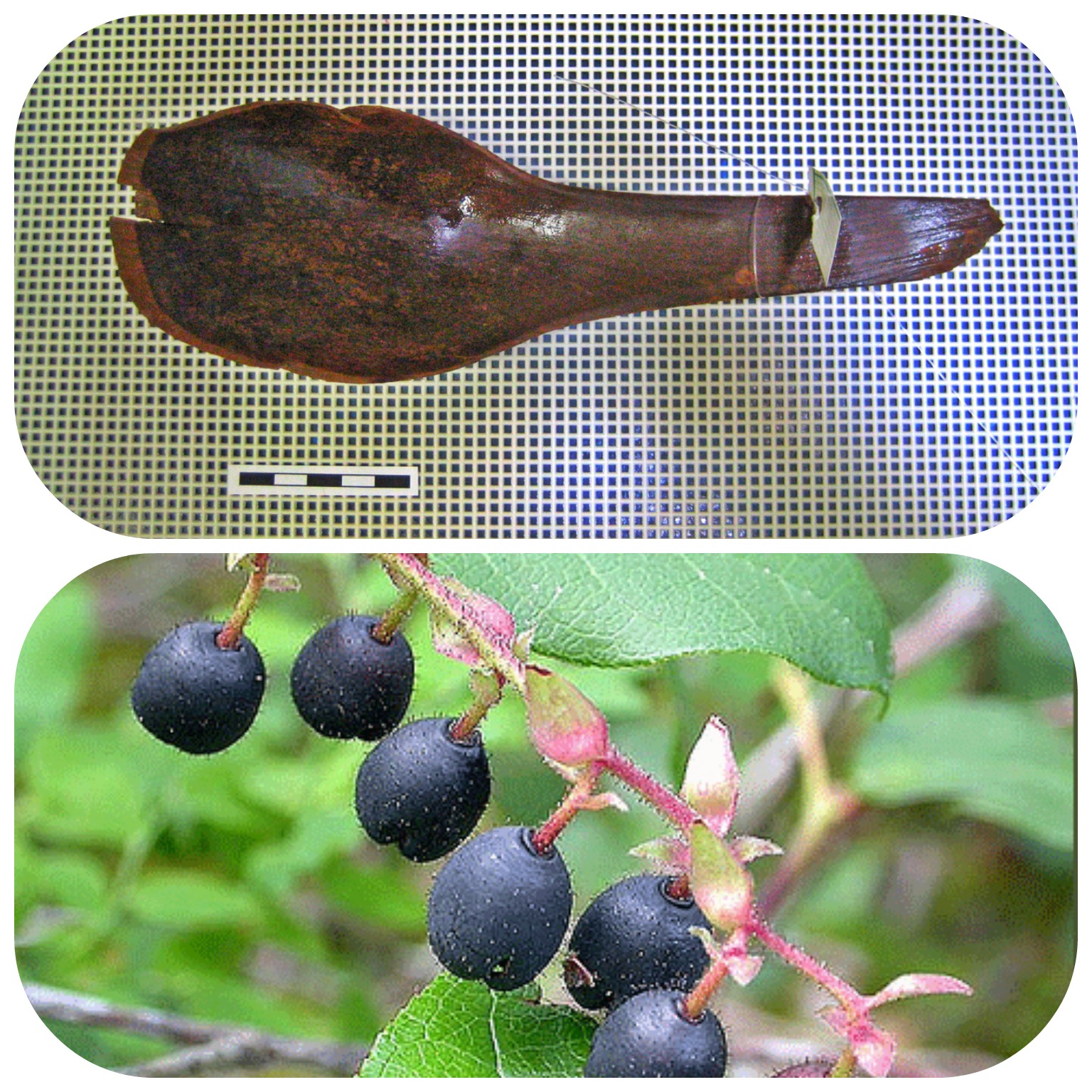
Lacking the decorative carvings displayed by other spoons in the First People’s Gallery, this Coast Salish cedar spoon would have been used daily at mealtime. Sharing is highly valued to the Songhees; they would often share food with neighbors. This spoon could have been used to eat dried cakes made from Salal berries that were mixed with oil.