
1In 1 playlists
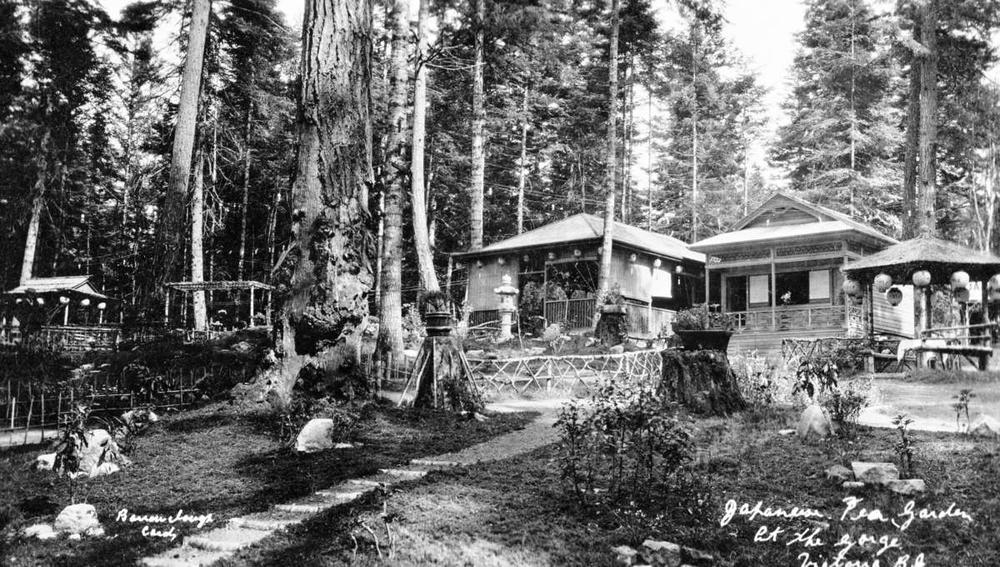
Hayato Takata and Yoshitaro Kishida opened the garden on July 11, 1907. Two Takata brothers started to run the garden as a family business in 1922. The Takata family was interned in 1942. Their houses and the garden were vandalized and destroyed. The rest of their belongings were sold off by the government. [BC Archives-E-01902] Learn more about this image at BC Archives here.
1In 1 playlists
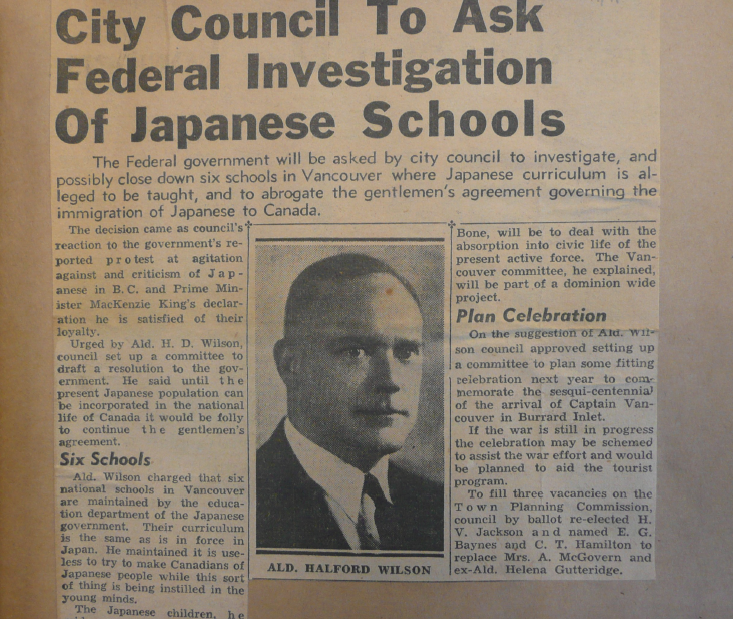
A scrapbook donated by Alderman Halford Wilson contains newspaper clippings, advertisements, and annotations made by the author that show his racism towards Japanese Canadians. This documents illuminates the racist climate of the 1940s in which the dispossession of Japanese Canadians occurred. [BC Archives-ms0012, box 3]
1In 1 playlists
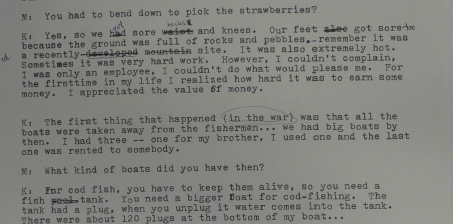
Hideo Kokubo was interviewed in Vancouver in 1973 in a project by Reynoldston Research and Studies. He discusses life as a fisherman in BC in the 1940s and mentions how the government seized Japanese Canadian fishing boats during the Second World War. [BC Archives-AAAB8584] Learn more about this interview at BC Archives here.

1In 1 playlists
The owner of the Ikeda Mine, Arichika Ikeda, died in 1939 but the ownership of his mine came under the jurisdiction of the Custodian in 1942. His wife, Kaoru Ikeda, interned in Slocan, was made to release her rights to the property as well as their family house. She died after four years of internment in the spring of 1946. [BC Archives H-04580] Learn more about this image at BC Archives here.
By OB24
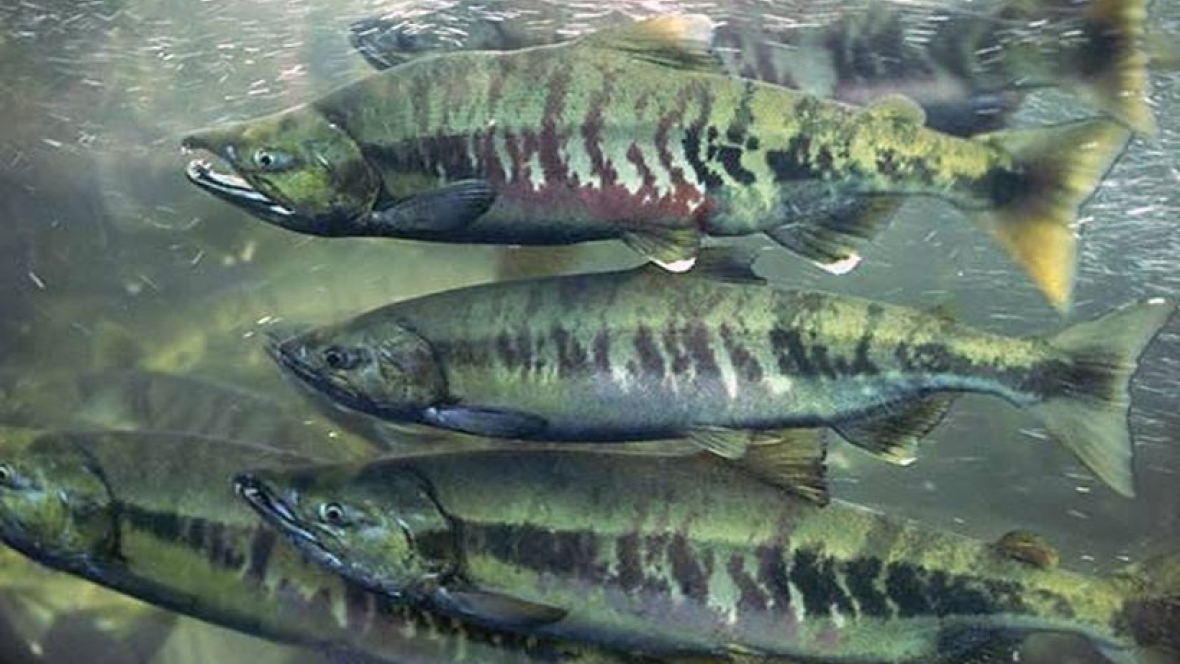
The salmon in Bowker would probably be Chum salmon (Oncorhynchus keta), the most common species of salmon on the island. They have a 3-4 year lifespan and spawn in freshwater streams. Chum are the most sensitive species of salmon, which will make it difficult for them to return to Bowker Creek, but aren't discriminating as to where they spawn.

1In 1 playlists
Downtown Victoria’s blue bridge was built in 1924 and since its construction has been the main access between downtown Victoria and Esquimalt. When the site was excavated in 2016, the artifacts uncovered suggest an area of cultural overlap between the First Nations, European, and Chinese populations and evidence of significant international trade.
1In 1 playlists
Before it was Shutters Spa development, this site was the Old Songhees Village, established in 1844 when the Songhees people were asked to relocate from the Inner Harbour. When construction began the discovery of a bone awl thought to date pre-1846, the limit of protection granted to BC archaeology, allowed the excavation of over 5,000 artifacts.
1In 1 playlists
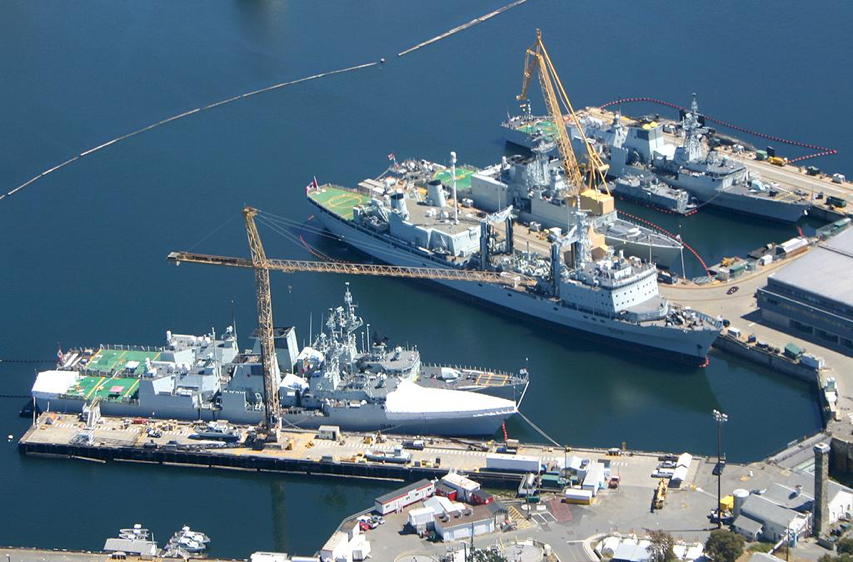
Before Esquimalt Harbour was a naval port, it was a food resource for the ancestors of the Songhees and Esquimalt Nation peoples. The bay was used by First Nations for its marine life, but settlers were interested in the potential of the deep sea harbour. During the dredging to remove industrial contamination, artifacts were found from both groups.