

1In 1 playlists
The ongoing DND dredging of the Esquimalt Harbour is turning up archaeological collections. Devon Bidal, Jenny Ho Ng, and Marj Parent engage visitors in thinking about the types of objects that are being collected, from cordage made of natural fibers to military objects, representing hundreds of years of human use of the harbour.
1In 1 playlists
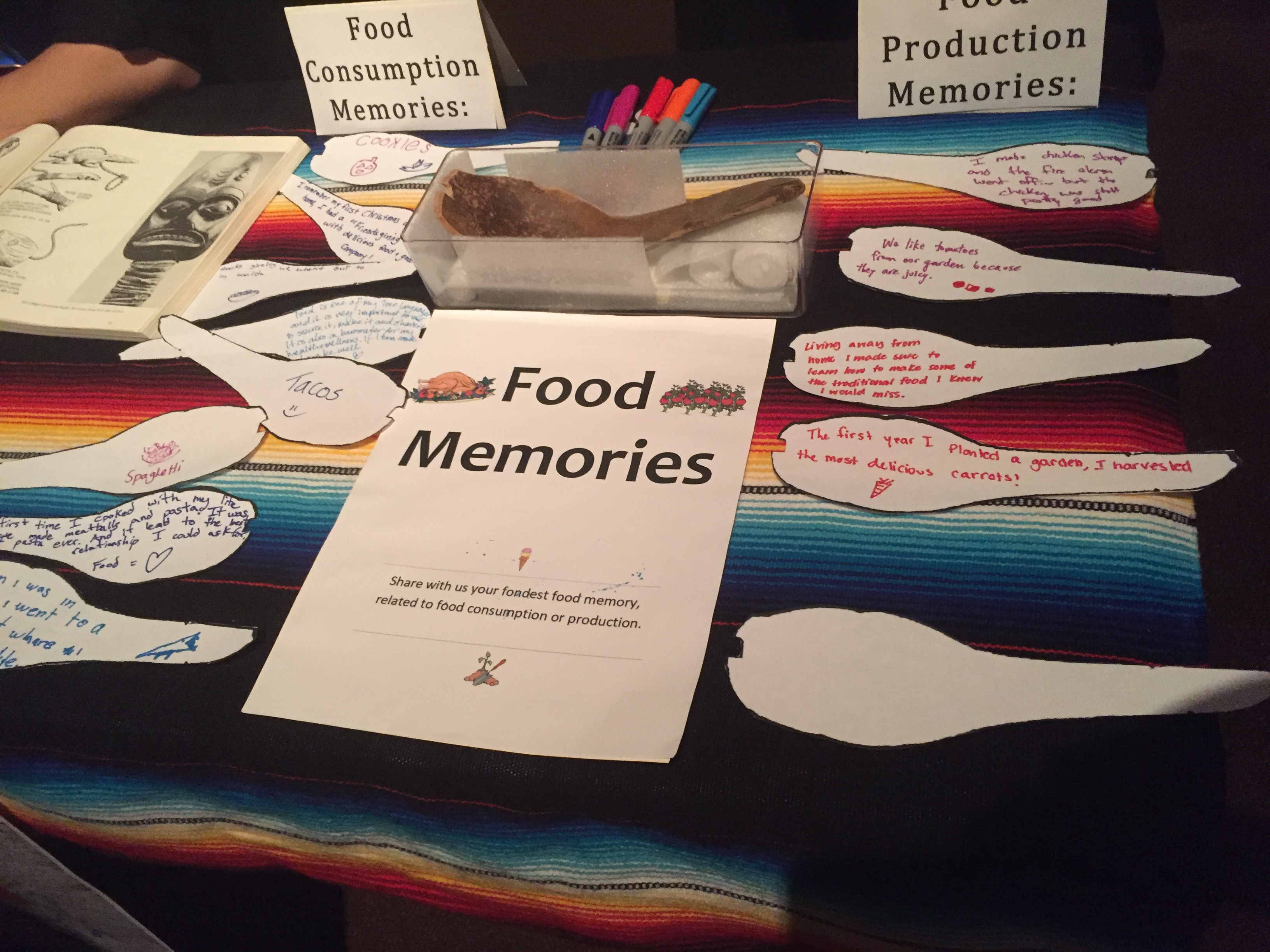
Hallie Rounthwaite developed an interactive activity to connect visitors’ modern experiences of food with a Coast Salish wooden spoon excavated from the old Songhees village. Visitors were invited to add their food memories to paper spoons and then categorize them (either cooking/eating or producing/harvesting).
1In 1 playlists
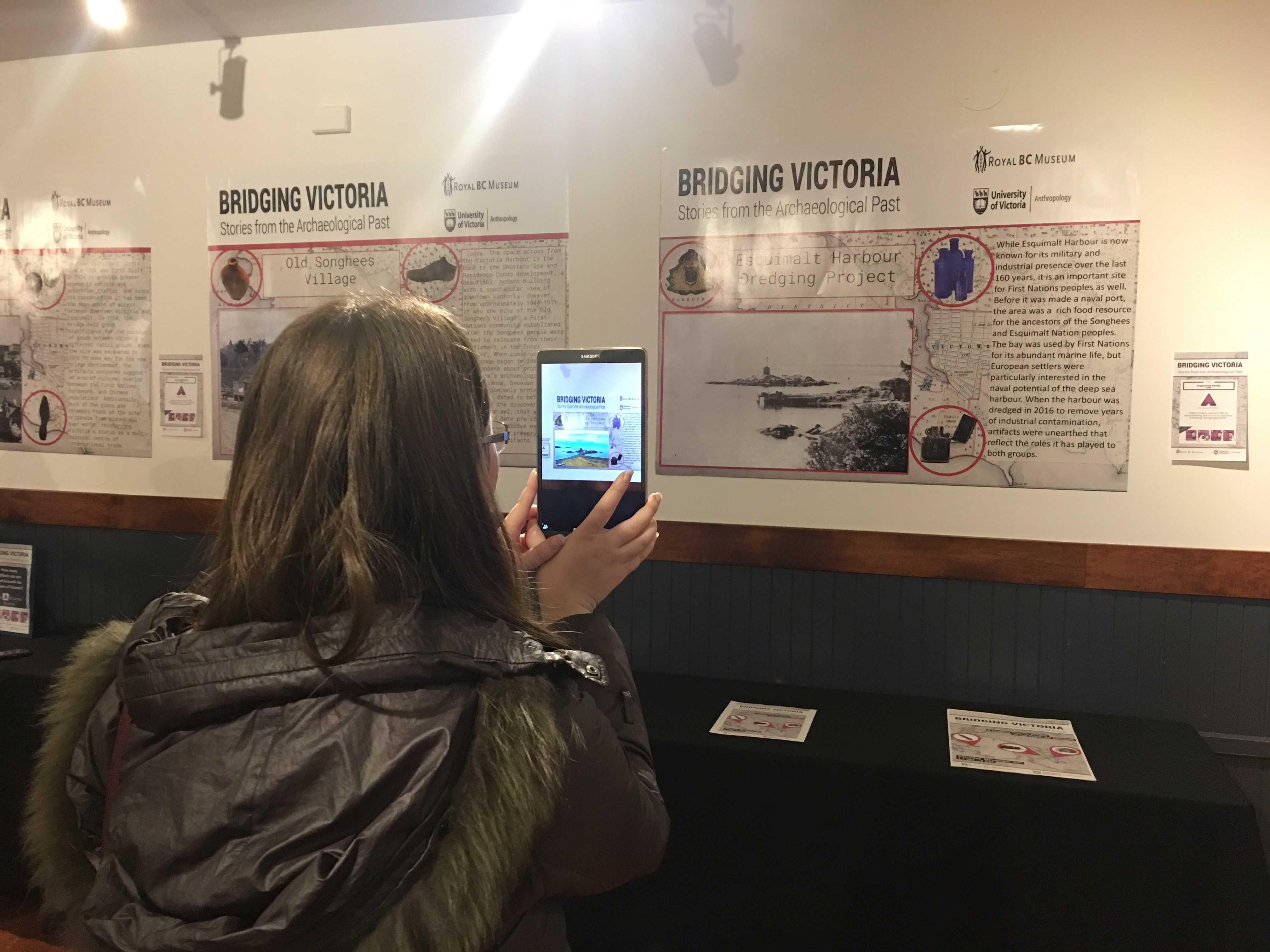
Alexa Dagan, Luisa Esteban and Elisa O’Malley developed cutting-edge augmented reality experiences (using Aurasma app) to demonstrate how these three landscapes have changed over time, using archival and contemporary photos. Augmented reality layers the physical world with digital media to add information and interactivity.
1In 1 playlists
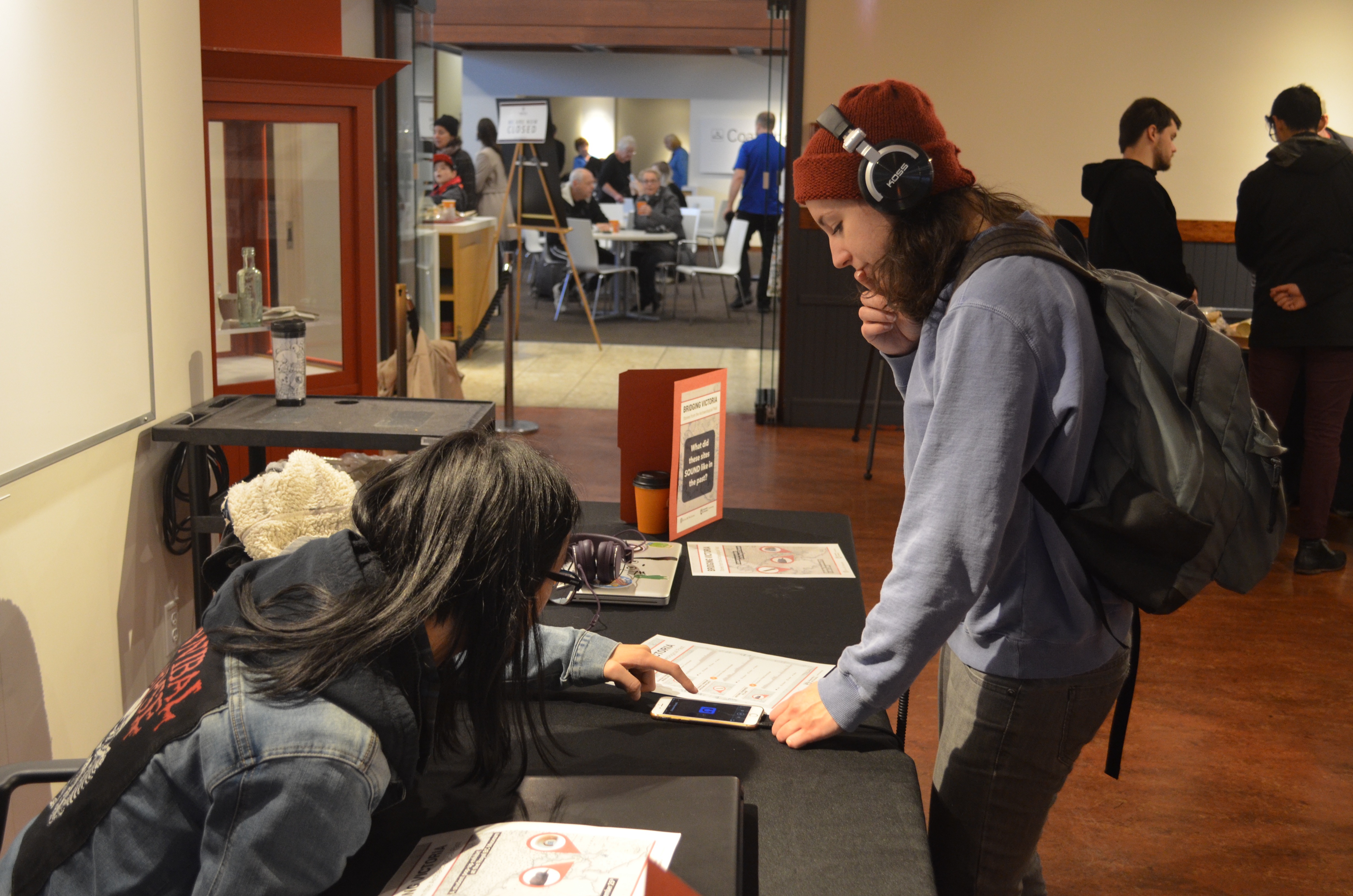
Amanda Fletcher, Katie McPherson and Vincent Ran developed innovative narrative-based soundscapes to capture three landscapes over time, including Esquimalt harbour, Old Chinatown and the old Songhees village. The soundscapes are still available online for free: https://soundcloud.com/user-842052864-784784360
1In 1 playlists
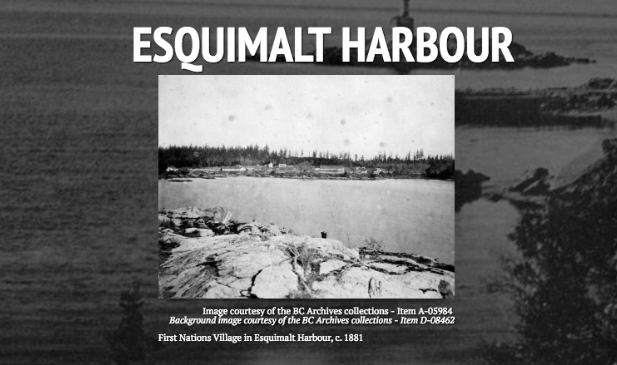
This picture-based timeline gives a brief history of the Esquimalt Harbour and its use over time. Swipe your way through time and follow the links to learn more about local history!
By OB24
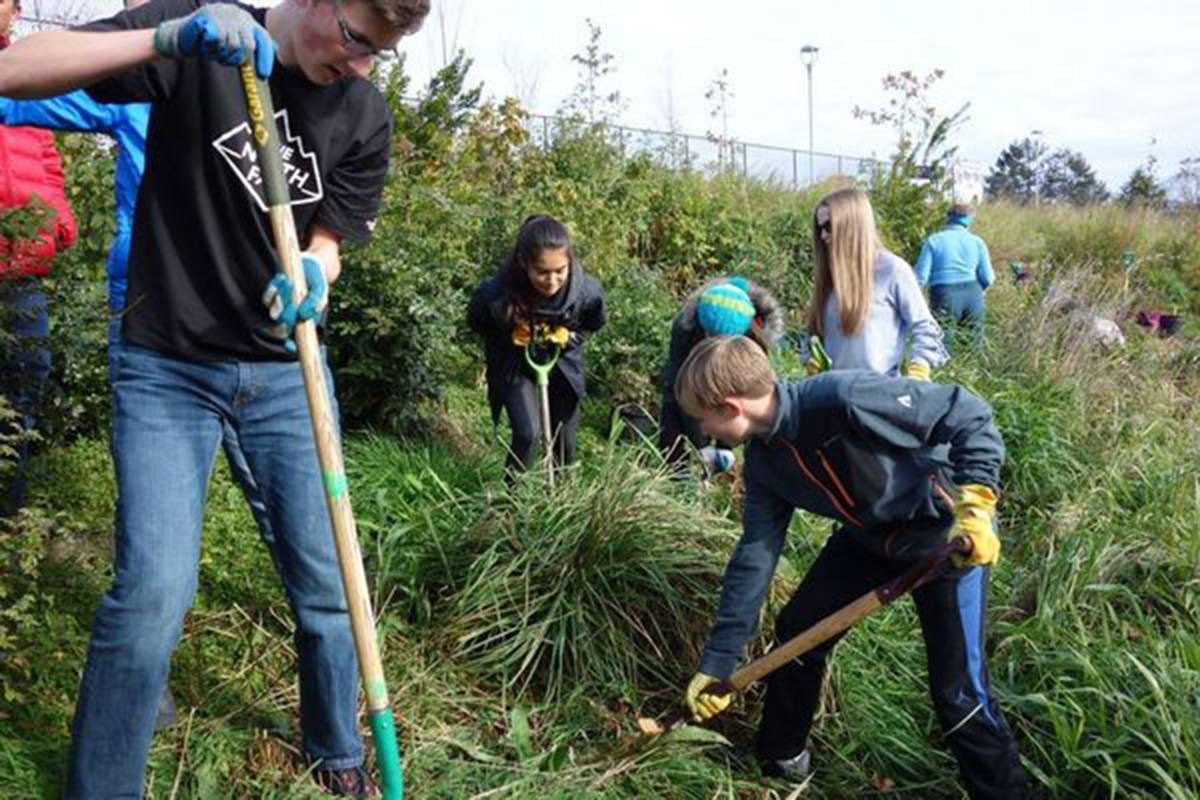
It will take a lot of effort from the groups helping with the Bowker Creek restoration, such as the Greater Victoria Green Team, the CRD and Oak Bay High, to clean up the pollution to make Bowker suitable for salmon again. Hopefully, when Bowker Creek has been sufficiently restored, we will be able to reintroduce salmon to this urban ecosystem.

By OB24
In Bowker Creek, there are many species that act as bioindicators, such as leeches, sticklebacks and aquatic worms. Bioindicators are organisms used to gauge the health of an ecosystem. The organisms found in the creek all have a high pollution tolerance, meaning the creek is polluted. If we want salmon to return, the pollution must be reduced.
1In 1 playlists
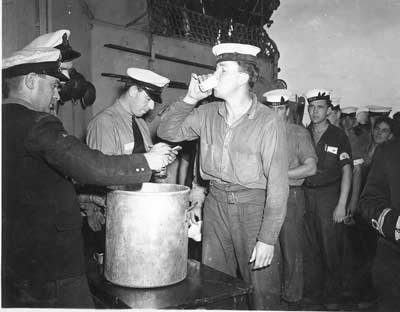
60% of glass artifacts were alcoholic. The issue of daily spirits was one of the customs the RCN took from the British Royal Navy and it had changed over time. Junior sailors had to mix their rum with cola. Some will switch it for coke and pour the rum into a bottle for later. Later on, the serving of spirits at sea was replaced by beer and wine.