

By OB26
Bowker Creek is full of these little creatures called Platyhelminthes, better known as “Flatworms”, these creatures feed on Protozoa and Bacteria and are generally consumed by a variety of small species including Spotted Mandarin and Yellow Wrasse.

By OB26
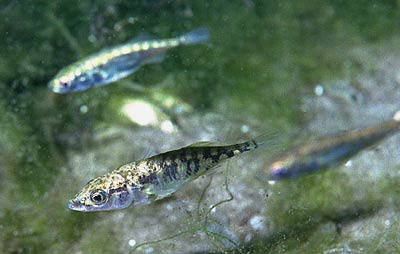
Bowker Creek is a slightly polluted stream, being home to a few select resistant species. One of which, is the Three-Spined Stickleback. The Three-Spined Stickleback has a higher tolerance to pollution than most smaller fish. This organism proves to be a food source for many of the creeks inhabitants

1In 1 playlists
By OB22
Year number one was the year of planning, where students and staff alike came together to design the area based on what the school thought would be an asset.
By OB26
Bowker creek at this time can only support smaller, more toxicity resistant organisms. A variety of small fish, leech, worms, parasites, insects and other little species thrive here.
By OB25
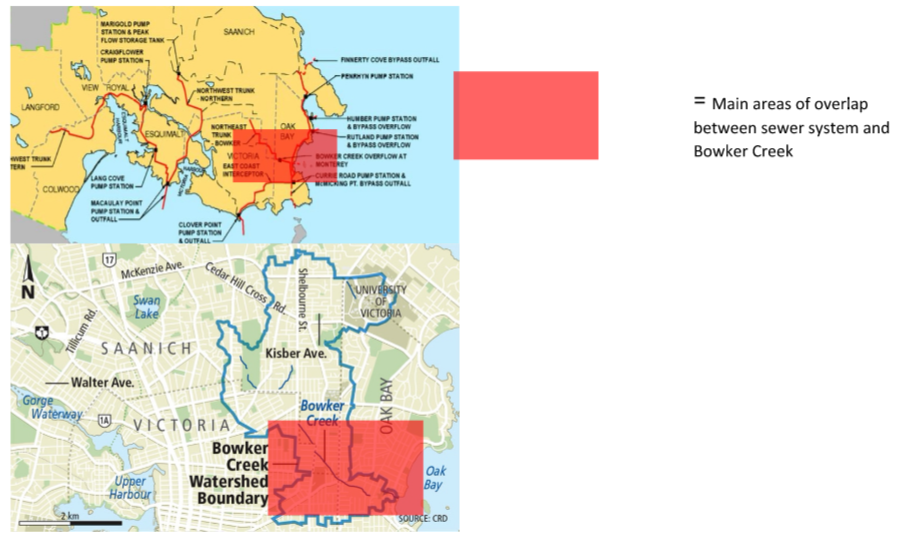
Bowker Creek has had issues with the sewage system in the past as it follows the sewer line (as seen in the diagram above). Spills have a huge impact on water quality; high levels of nitrogen, phospherous and ammonia are associated with waste. To restore salmon, the stream needs to have a barrier preventing this, as seen in the current CRD plan.

By OB26
We can tell a creeks polluted because of bio-indicators, and obvious signs of pollution. First bio-indicators are animals that help us determine how polluted water is because some animals can deal with more pollution than others. Judging by the species of aquatic life in the creek tells us its pollution levels
By OB26
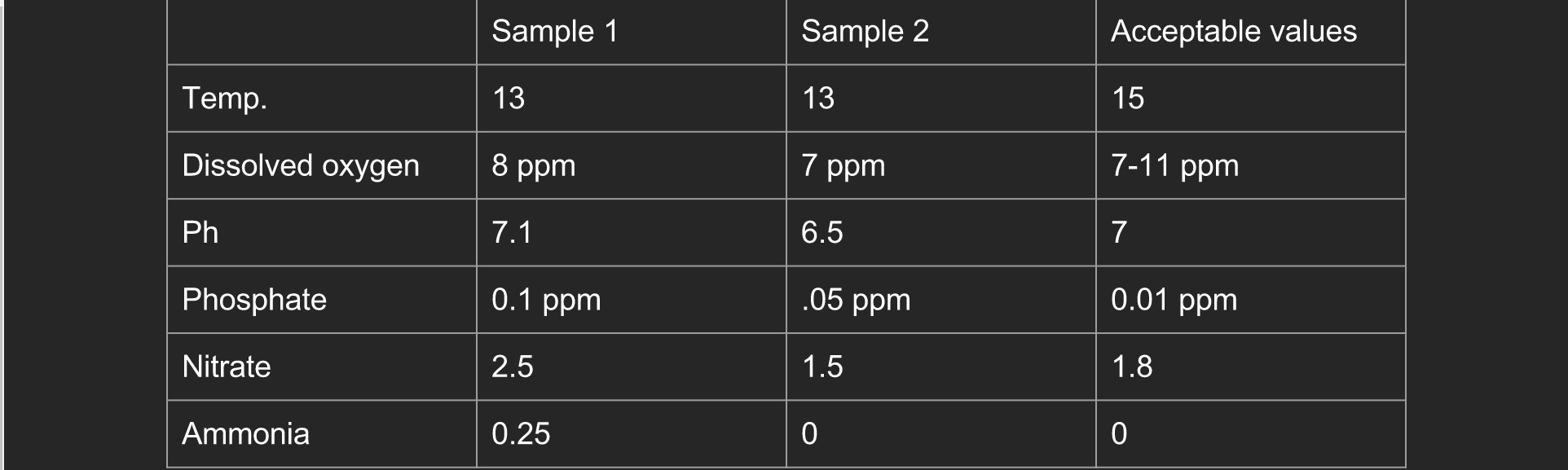
We took the time to analyse the water quality of Bowker creek as of late November.

By OB26