

By OB35
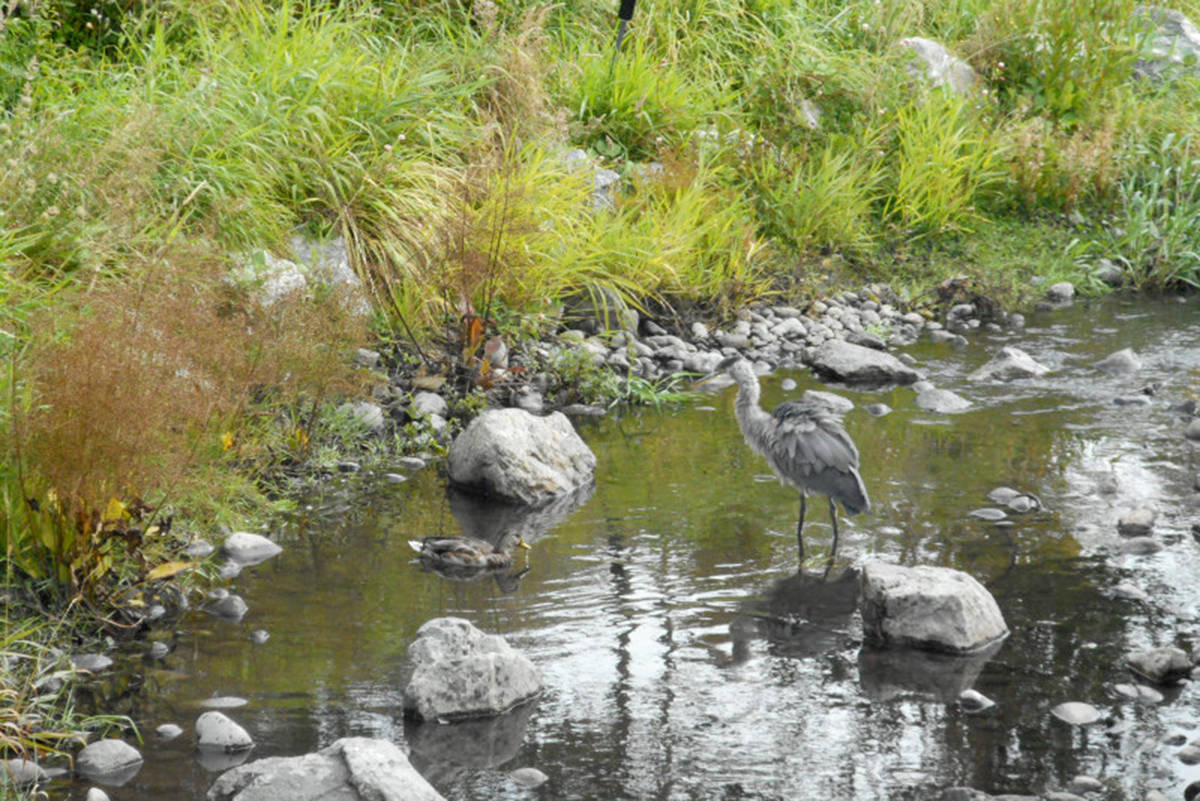
We can restore river otters back in a couple of ways i found this article online about a river otter restoration in New Mexico. It would take a lot of efffort and work with changing the waer quality and making sure that they have a wide variety of prey to feed on and a variety of aquatic plants for the otters to eat.
By OB25
Once we have tackled the necessary conditions for salmon to live in Bowker Creek, keeping them here is the next challenge. To preserve the run, a great deal of education must go into the community, and the emphasis on not littering. There must also be occasional clean-ups, to block any dams that have formed and may block the path of the salmon.
By OB34
Bowker Creek current water quality: Temperature: (average) 12 degrees celsius. Dissolved oxygen (average) 8.25 ppm. pH: (average) 6.5. Phosphate: (average) 0.25 mg/l. Nitrate: (average) 0.37 ppm
By OB34
Temperature: bellow 12 degrees celsius. Dissolved oxygen: greater than 9 ppm. pH: between 7 and 8. Phosphate: below 0.25 mg/l. Nitrate: below 1 mg/l.
By OB25
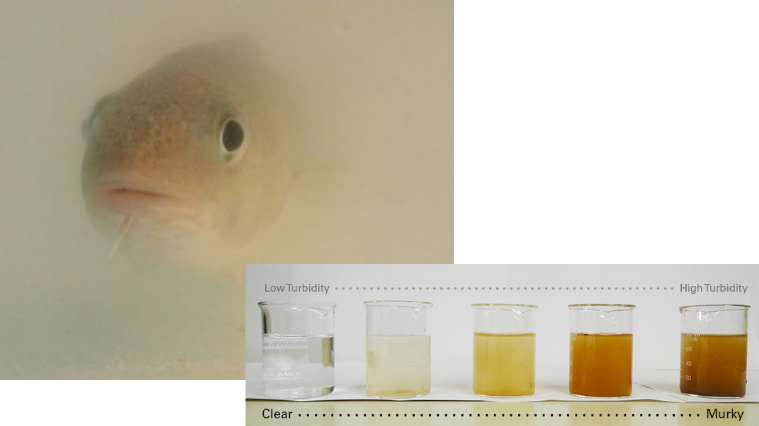
Turbidity relates to the sediment in the ground - cloudiness, means more particles. These pieces can get trapped in the salmon's gills and suffocate them. In Bowker Creek, the issue is the soil on the side of the banks. Turbidity or haziness in the water can cause many hazards, like suffocating the fish and their inability to see clearly.

By OB25
Although our plan for Bowker Creek may seem ideal, there are flaws that we must address before beginning the project. One being, the issue with excess stormwater contributing to the creek's water volume, and because there is plenty road runoff emptying into Bowker, the dirty water affects the turbidity and the salmon cannot withstand the haziness.
1In 1 playlists
By OB22
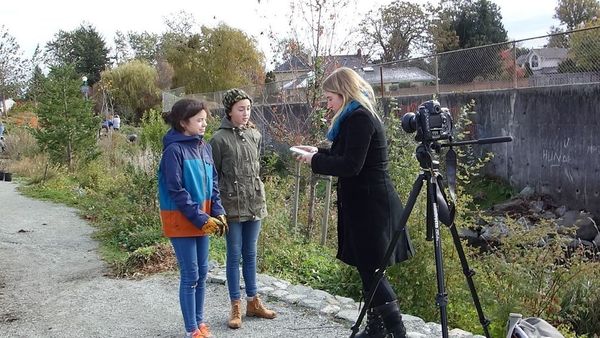
The best way to maintain the creek as we know it is more of what we are seeing now, which is having students and community help to eliminate invasive plants and harbor native ones.
By OB25
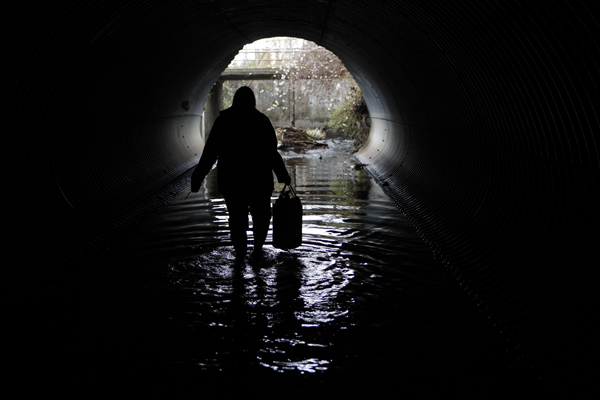
Adult coho need a clear route to their spawning to lay their eggs. Bowker creek is 60% underground and the network of tunnels through which the creek flows would limit if not block salmon access to estuaries, meaning Bowker Creek is currently unsuitable for supporting a salmon run. View the next slide for a visual.