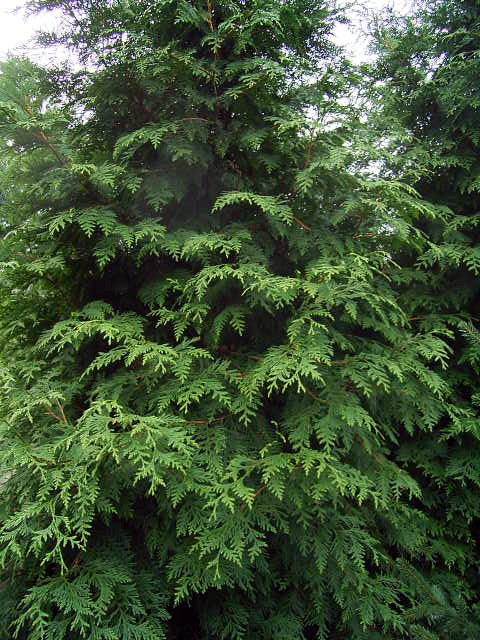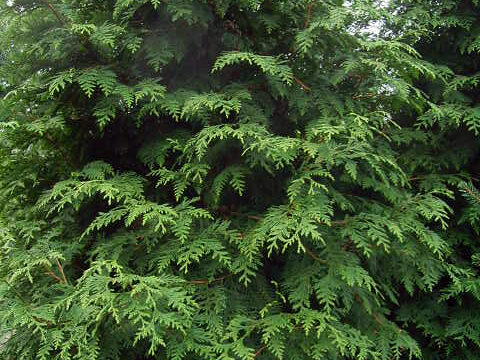
Western Red Cedar (Thuja plicata) can be drank as an infusion for a remedy for coughs, sore throats, and fevers. It is said to cure heart and kidney problems, arthritis, pneumonia and even tuberculous. Red cedar extract has been confirmed by modern science to have immune-stimulating effects.
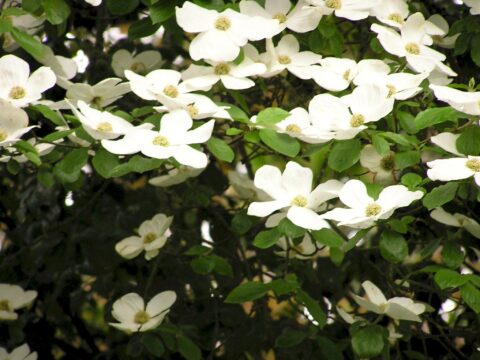
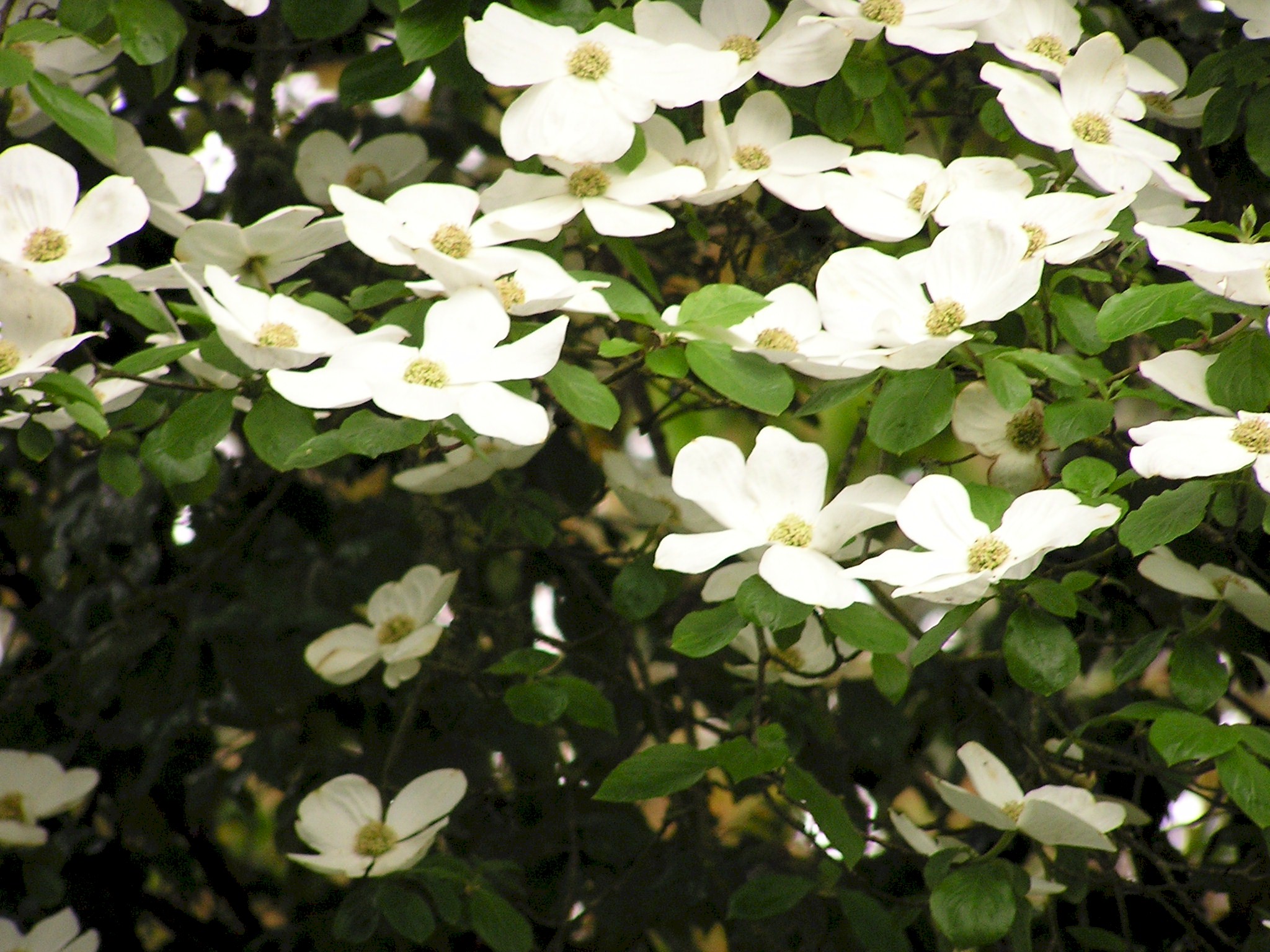
Western Flowering Dogwood (Cornus nuttallii) has a long history of medicine. In the past it was used to treat malaria. It can also be applied directly to the skin to cure boils and other wounds. It is said to increase strength and lessen fatigue. It can cure headaches and fevers too!

The Great Blue Heron is a species that will be in any marsh, swamp, or shallow open coastline. The Heron is a blueish gray body, with a dark blue stripe down its head. They have very long legs that they use to wait until prey swims by. They then jab their spear-like beak into the water and eat the prey whole. They usually eat fish and small mammals
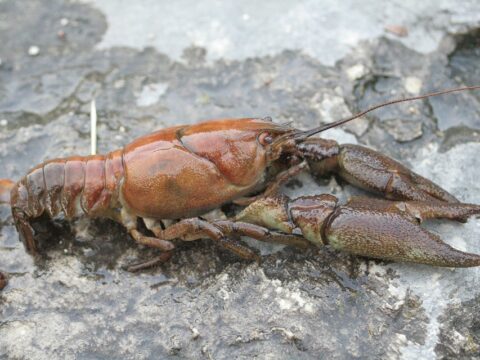
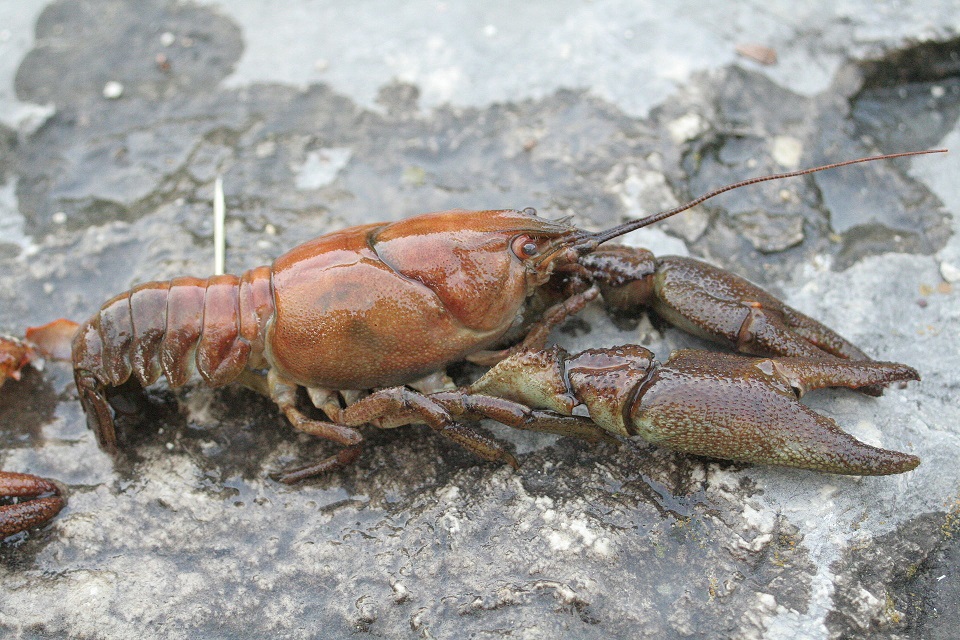
The Signal Crayfish is the only crustacean in our local creek. Their habitats are anywhere with still-flowing water. Some examples are streams,creeks,lakes,and have been known to stand in salt water. These crustaceans are very invasive and if they reproduce can have a very large negative impact on any riparian ecosystem.
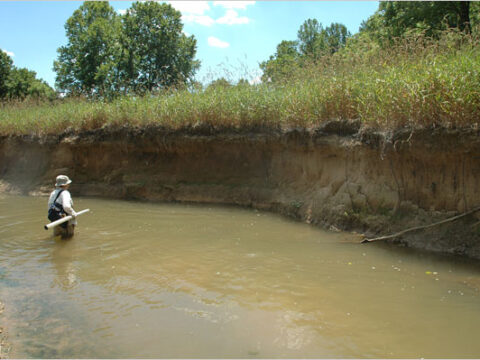
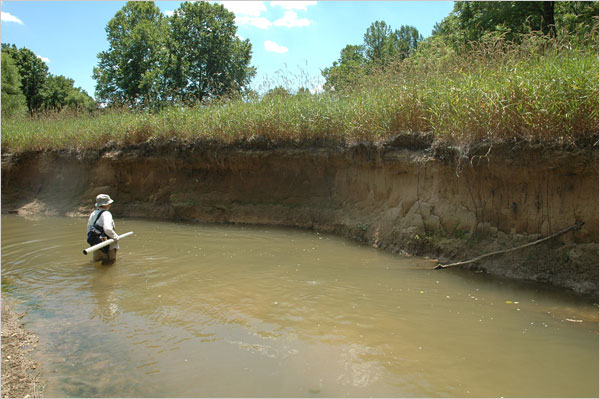
There are many different ways a Riparian Zone affects streams. Among them, Riparian zones can reduce the risk of erosion. The root systems of trees and shrubs reinforces cohesion into the soil and by providing a protective surface matting. Also, trees use the water from the stream to increase the drainage in the soil, which reduces the risk of bank failure.
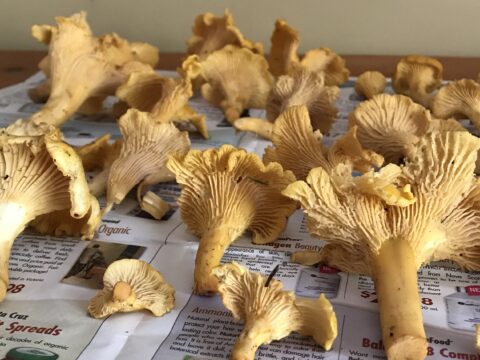
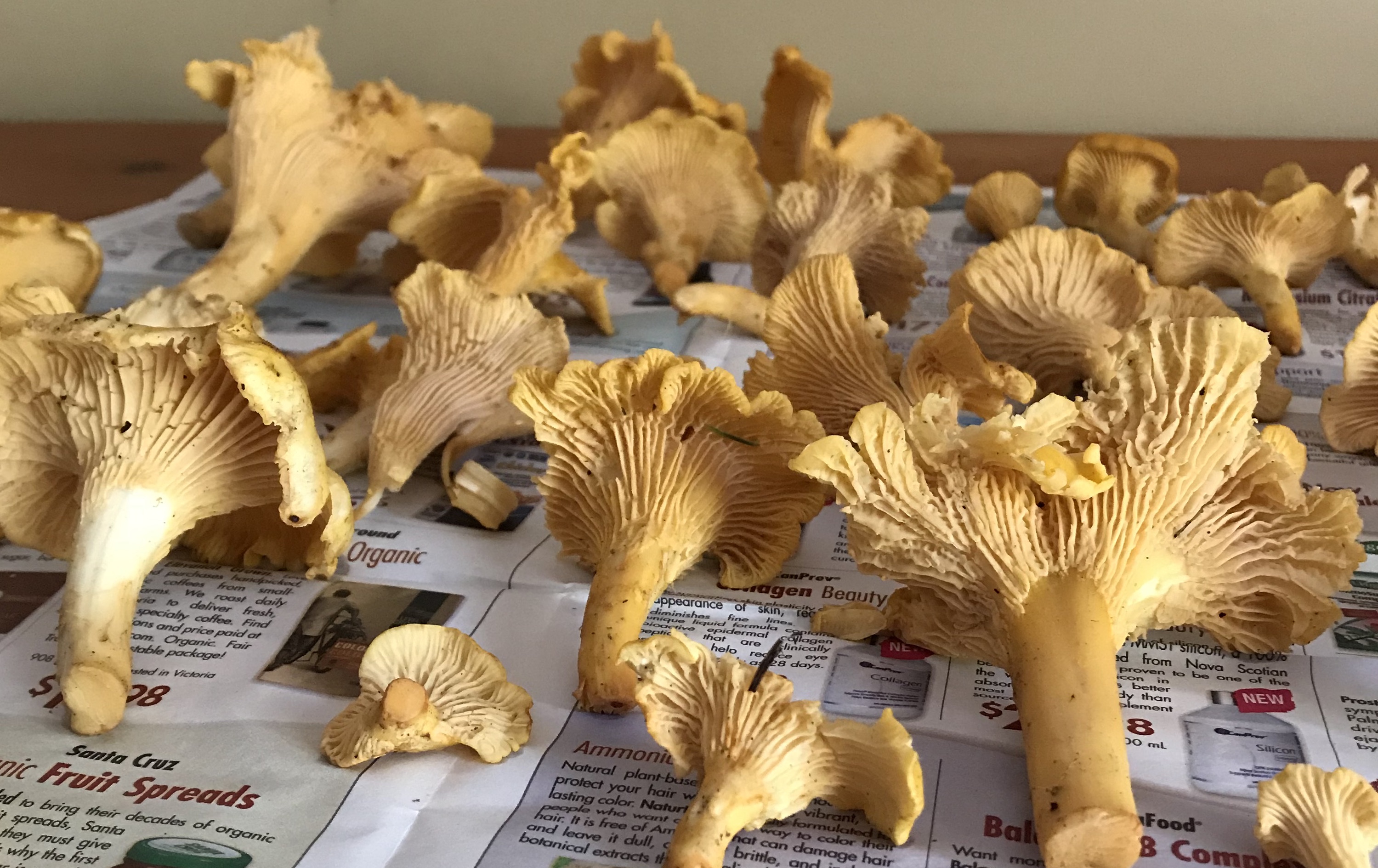
Golden chanterelles are popular edible mushrooms. The main reason why they do not grow around Bowker Creek is because chanterelles like forested area, and moist undergrowth with lots of organic decaying matter. They also like to grow underneath salal. Bowker Creek doesn't meet these requirements.
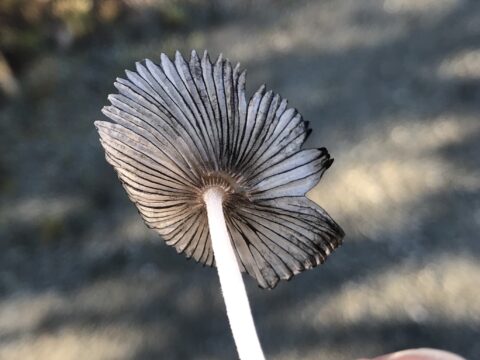
These are hare’s foot inkcaps. They are common garden mushrooms that have delicate caps with edges that turn upward with age. They have hollow, frail stalks so they usually last no longer then a day or two. Their gills are very thin and spaced out, with inky black spores. They can be found growing in soil, wood chips, or leaf litter.
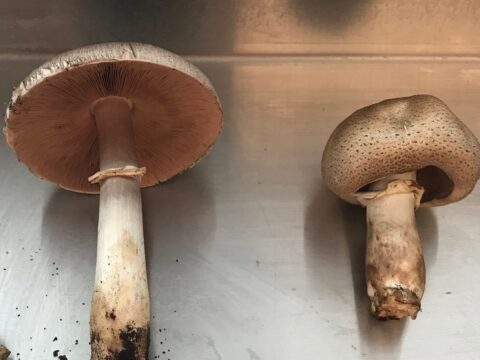
These are flat-topped agaricus. They were growing in Monteith riparian ecosystem, underneath dogwood and blackberry, in a shaded, damp area. They have gills, which are free from the stalk and slightly pink. Their stalk is mostly white, with a thick base and a ring. Their cap is tan and has small, brown “scales” that radiate outward from the middle.