
By OB4
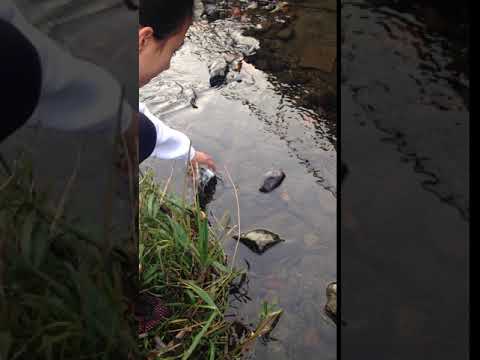
This is a short video clip showing the collection of a water from the Oak Bay High section of Bowker Creek

By OB4
By OB7
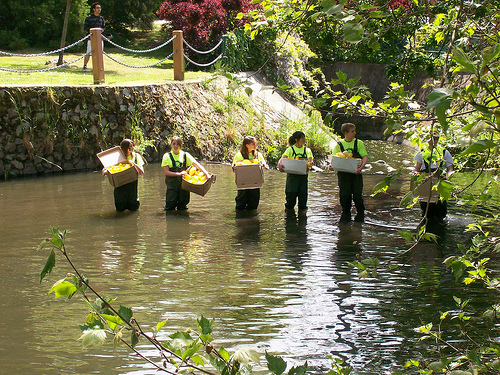
If our conservation efforts work as we hope, the future creek will be a flourishing ecosystem full of biodiversity. However,if climate changes affects the creek we will have to take a different approach in order to sustain the ecosystem. Small things have a large impact in the future, regarding the native plant species surrounding the creek.
By OB7
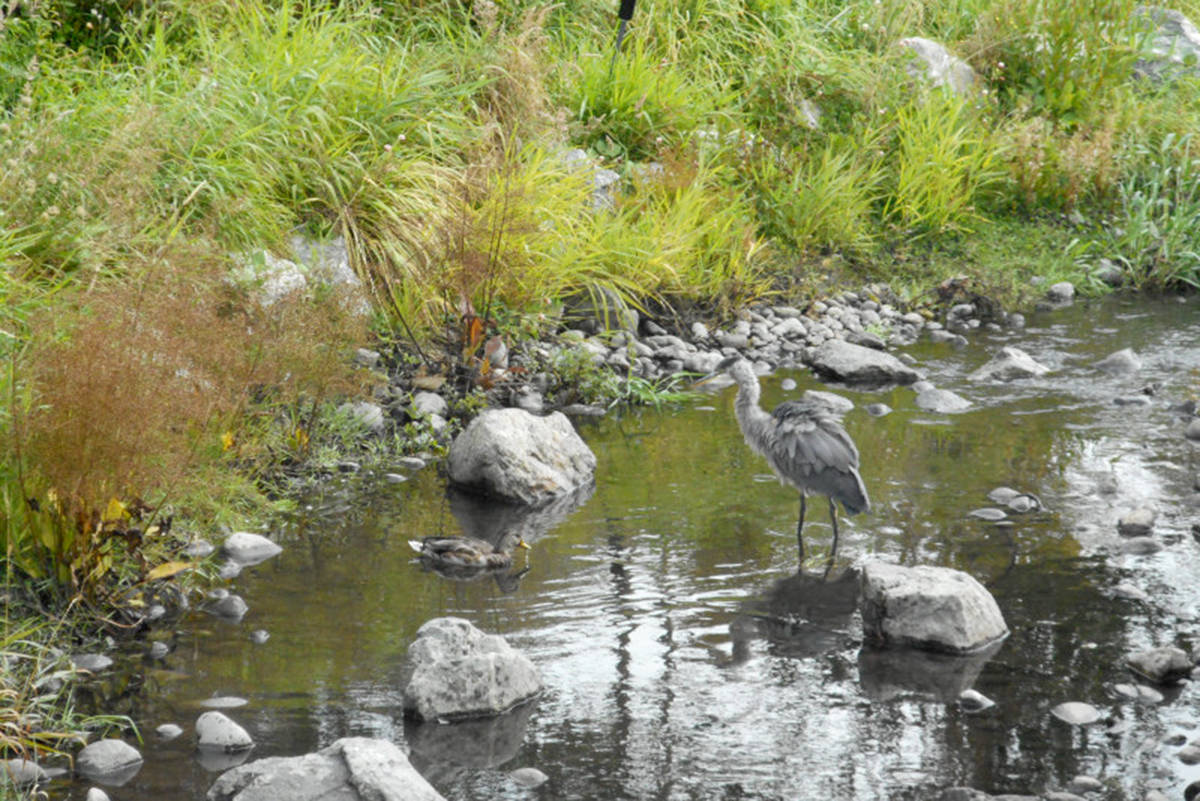
Bowker creek was vital for First Nations communities providing them with food, water, and transportation. It housed a marine ecosystem supported by the watershed. However, Oak Bays development in the 1900’s re-purposed the creek as a landfill. Since then, over 50% of it has been hidden by cement tunnels and affected by pollution and climate change.
By OB7
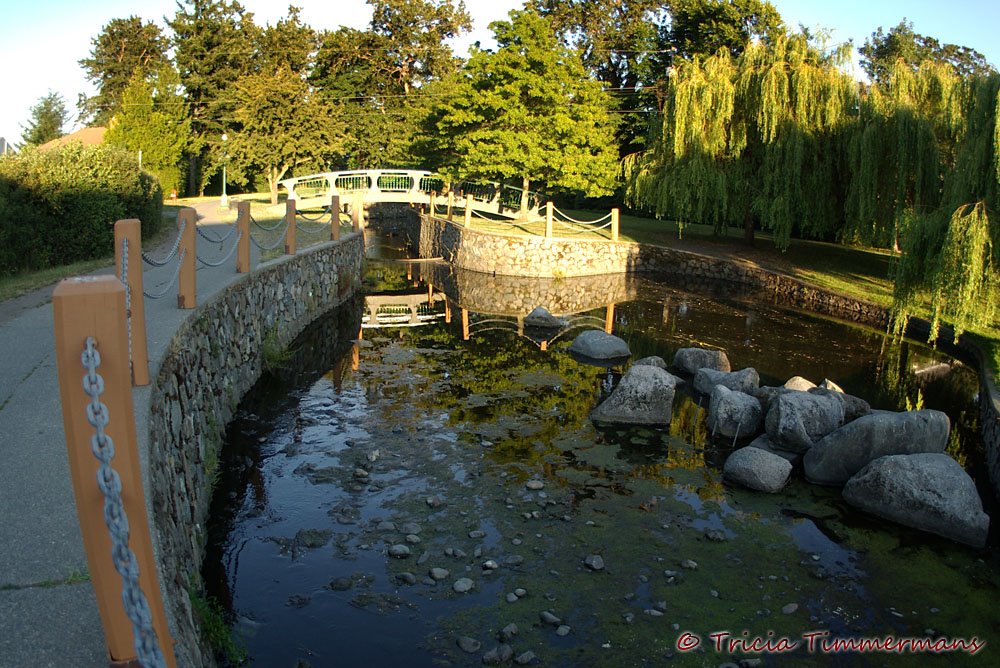
Bowker Creek is a very important ecosystem to Oak Bay as it is one of the only riparian ecosystems in the community. The creek is home to many animals, such as ducks and a variety of different insects. There are many native plant species around the Bowker Creek area, and therefore it is an essential ecosystem to keep our community thriving.

1In 1 playlists
By Jenny Arnold
Live action Disney
By OB3
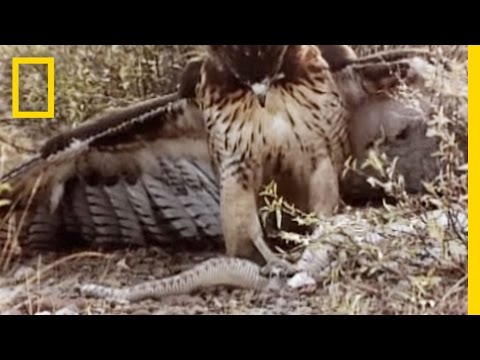
The Red Tailed Hawk are high on the food chain. They eat small mammals such as rabbits, mice, and other rodents. They also are able to eat some reptiles such as snakes. Their feathers are light brown, but on the bottom they are white. The easiest identifying feature is the orange-red tail feathers. Their habitats are open country place like grass fields.
By OB9
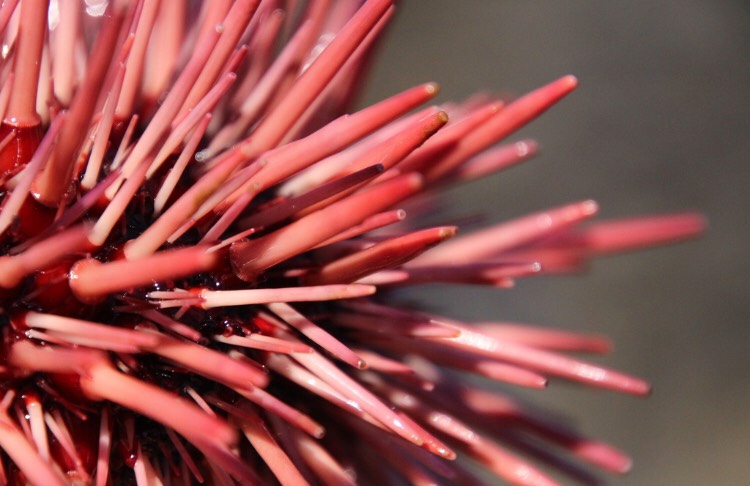
The Red Sea Urchin is a creature that resembles a ball of spines. They grow to a length of about 15 centimetres, and their spikes can grow to 8 centimetres. They are identifiable by their red color, however they are very similar to purple urchins. Most Red Sea Urchins live to about 30 years, but some live up to 200 years. They often eat kelp, and are commonly eaten by Sea Otters.