
By OB16
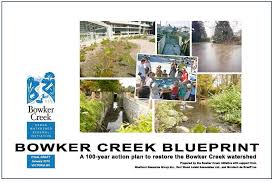
Many watersheds have a base document Integrated Storm Water Management Plan (ISMP). The Bowker Creek Blueprint: The Hundred Year Action Plan to Restore Bowker Creek Watershed,; is the intiative's unique verion of an ISMP. The restoration will significantly increase overall creek health by improving water quality, habitat, and flow conveyance.

1In 1 playlists
By Jenny Arnold
By OB16
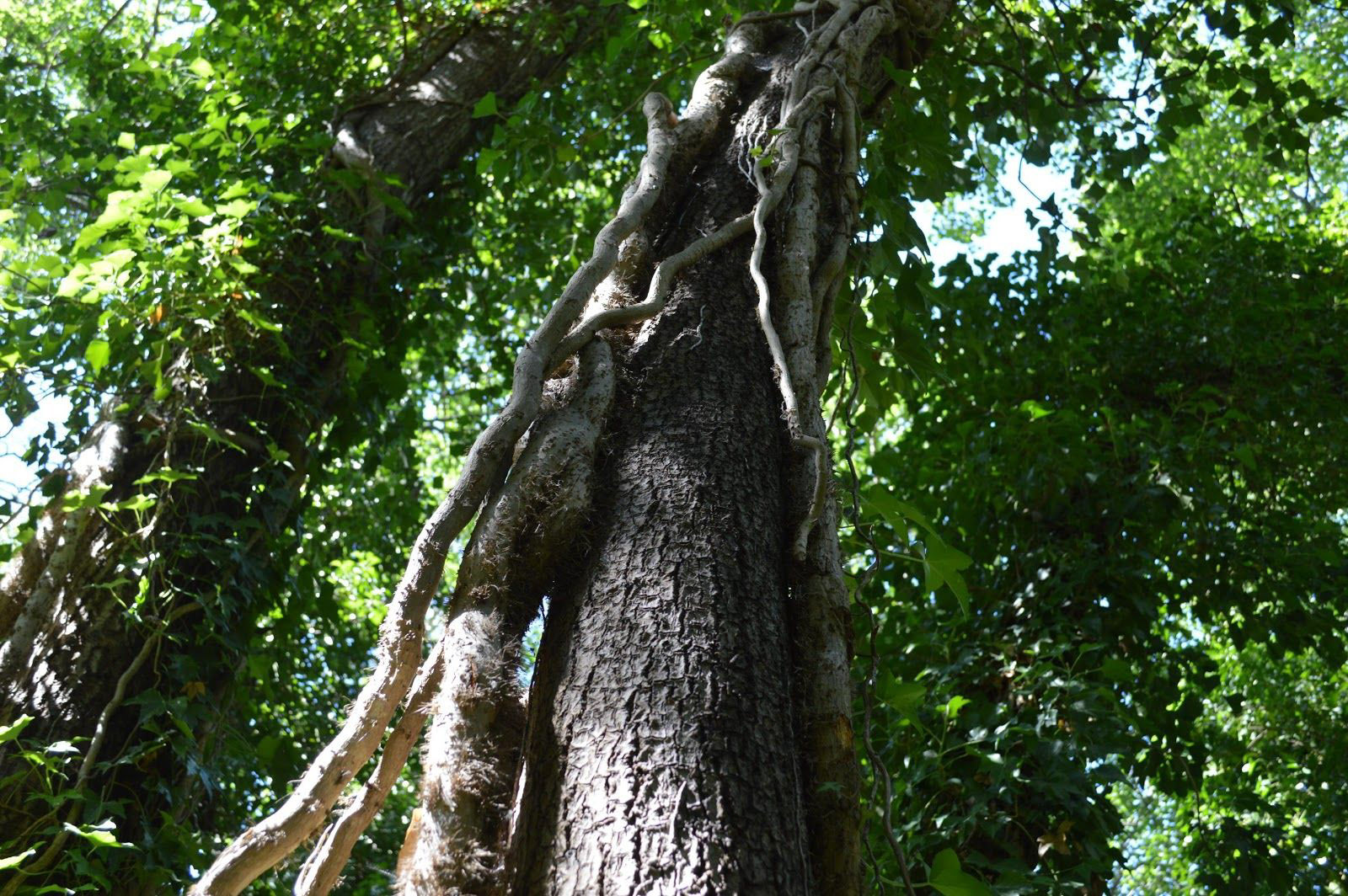
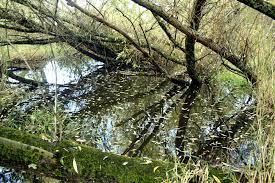
Bowker Creek's native vegetation has become strangled by the many invasive plants that grow. Willows (one of the invasive plant species in Bowker Creek)not only suppress native plants but, also clog the stream channels because of their aggressive root systems. Invasive plants outcompete native plants, hence reducing biodiversity in the ecosystems.

By Peter Dutka
TSdfstgwer
By OB16
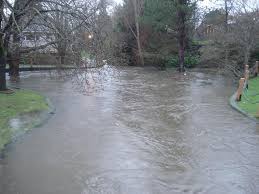
Due to industrialization, a lot of Bowker Creek floods during heavy rainfall, such as Trent street near St Patrick's School. To stop this issue, environmentalists are trying to increase the amount of natural habitat around the watershed, and create more storage areas for water and preventing downhill flooding by creating small ponds and wetlands.
By OB16
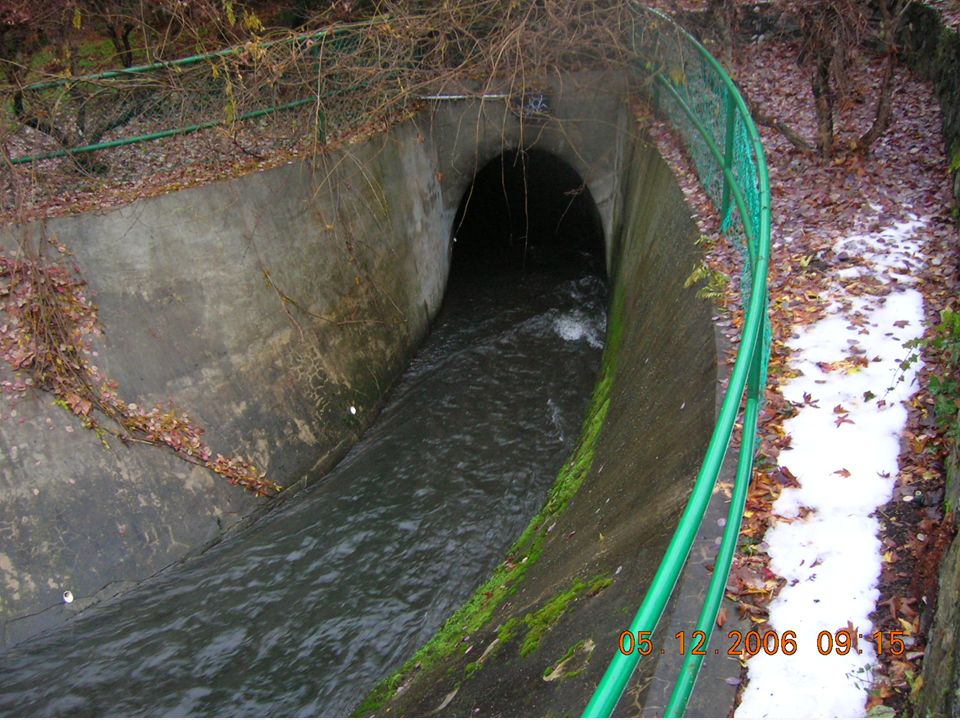
Runoff causes water pollution because it sometimes includes debris, chemicals, and other pollutants picked up by the rain. Fluids from the roads around Bowker creek go through storm drains, and the toxins are bad for the water. We need to make sure our watershed produces unpolluted runoff to increase the creeks water quality.
By OB16
Many years ago, the Bowker Creek watershed was cleared for agricultural purposes, but now urban development has led to species of wildlife leaving the area. Riparian areas are most affected because they are exposed to high flows, filter contaminants and flooding. Urban development prevents growth of tissues, and decreases vegetation and habitat.

By OB10
Wooden canoes were very traditional for the First Nations communities and an important part of their lifestyles. It was so important because it made traveling over water faster and easier. The canoes were usually made out of White Pine tree, Birchbark, Spruce or White Cedar. Another use for wood was for large bonfires where traditional gatherings would take place.