
By OB H
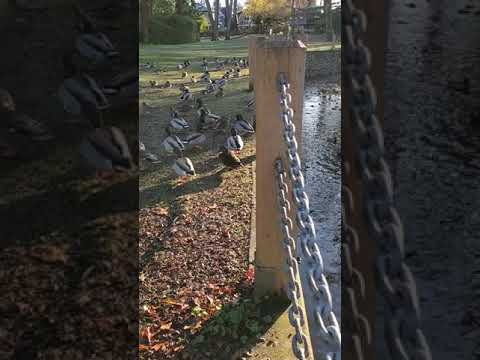
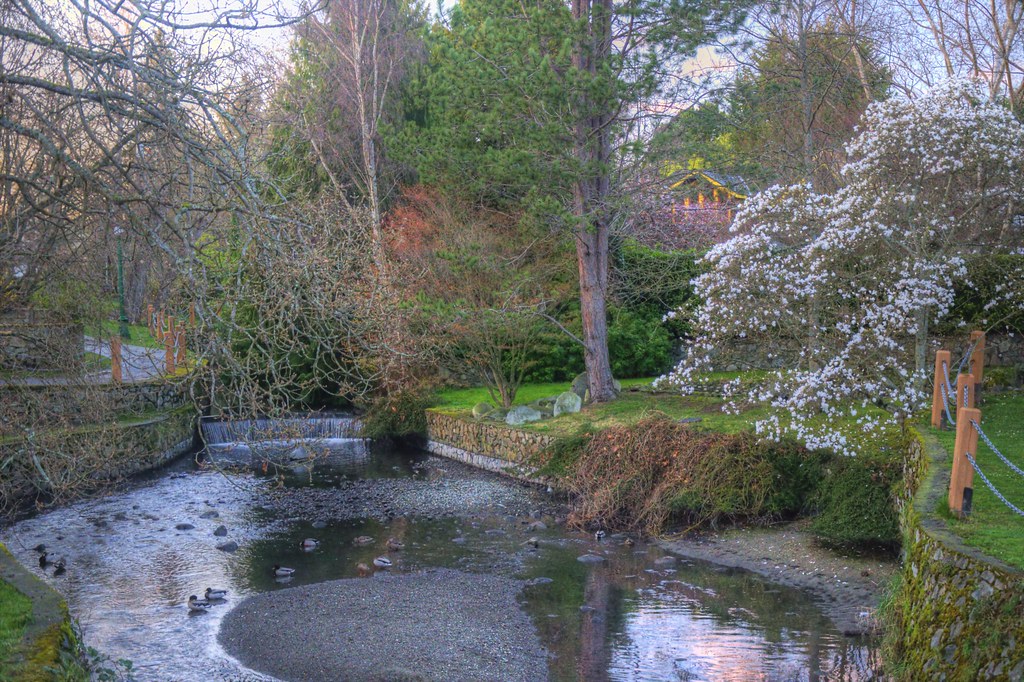
These ducks congregate near the end of Bowker Creek everyday!
By OB H
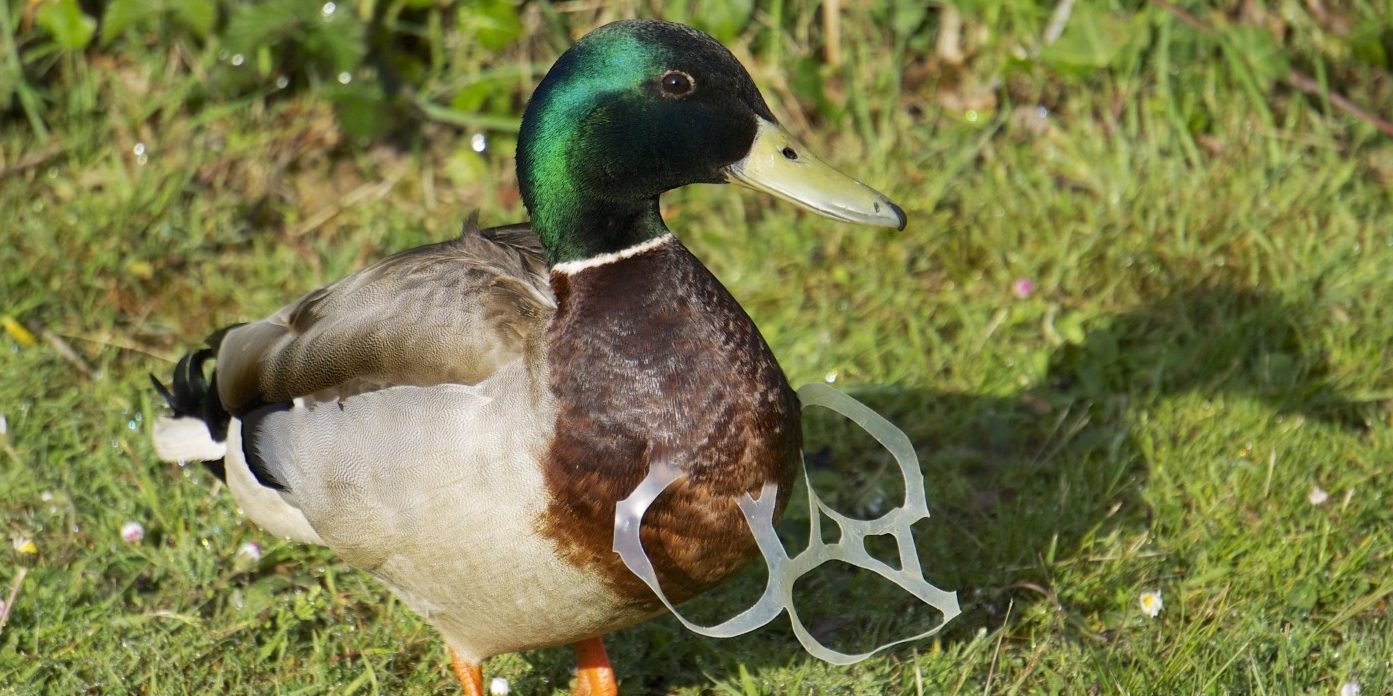
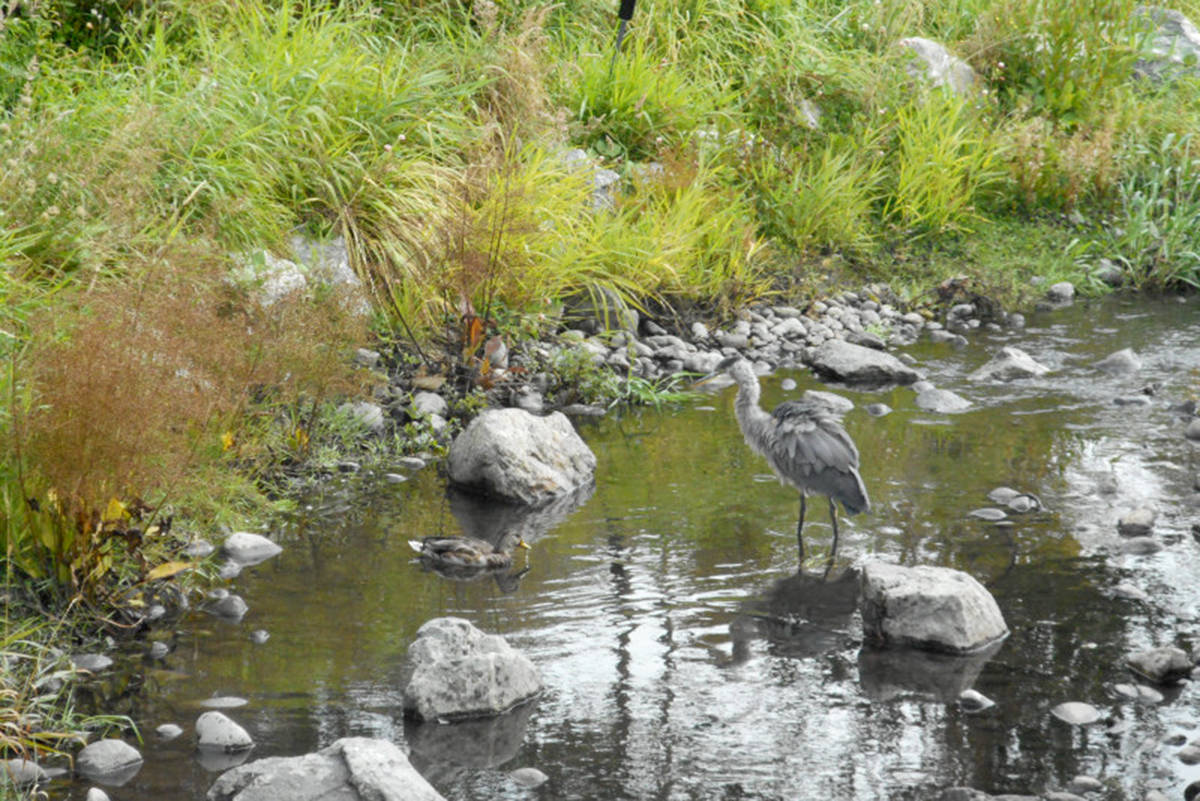
Ducks are very abundant in Bowker Creek. Because it is so close to a high school, it is inevitable that plastic litter from students will enter the creek. This can have detrimental effects on the ducks. The birds mistake the plastic debris as food, which can lead to indigestion and death. According to the Monterey Bay Aquarium, one study found that 97.5% of chicks had plastic in their stomachs. Plastic found inside birds includes bottle caps, bags, and other litter. The effects of ducks ingesting plastic haven't been scientifically proven, but it’s believed that it injures or kills the birds by cutting their stomachs. It is also thought that the plastic can take up space in their stomachs, causing them to feel “full” when they aren’t.
By OB H
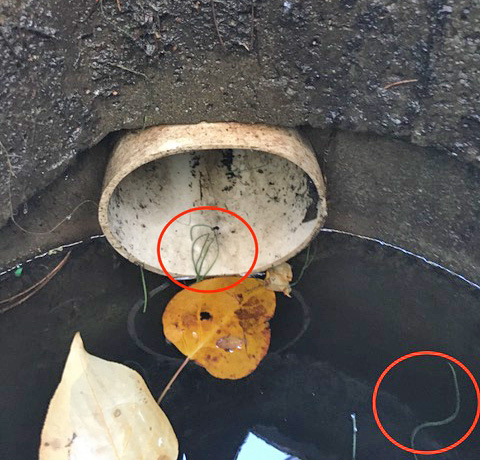
On November 18th, residents of Oak Bay reported seeing thin green and white pieces of plastic strands in Bowker Creek, storm drains and on the sidewalks. It was later discovered that the strands were from the outdoor soccer turf at Oak Bay high. This is particularly worrisome as Bowker Creek connects to the Salish sea, where the strands could be entering. The turf has been shedding an alarming amount of plastic into the environment, which has caught the attention of the Greater Victoria School District, who has indefinitely closed the field as of now.
By OB H
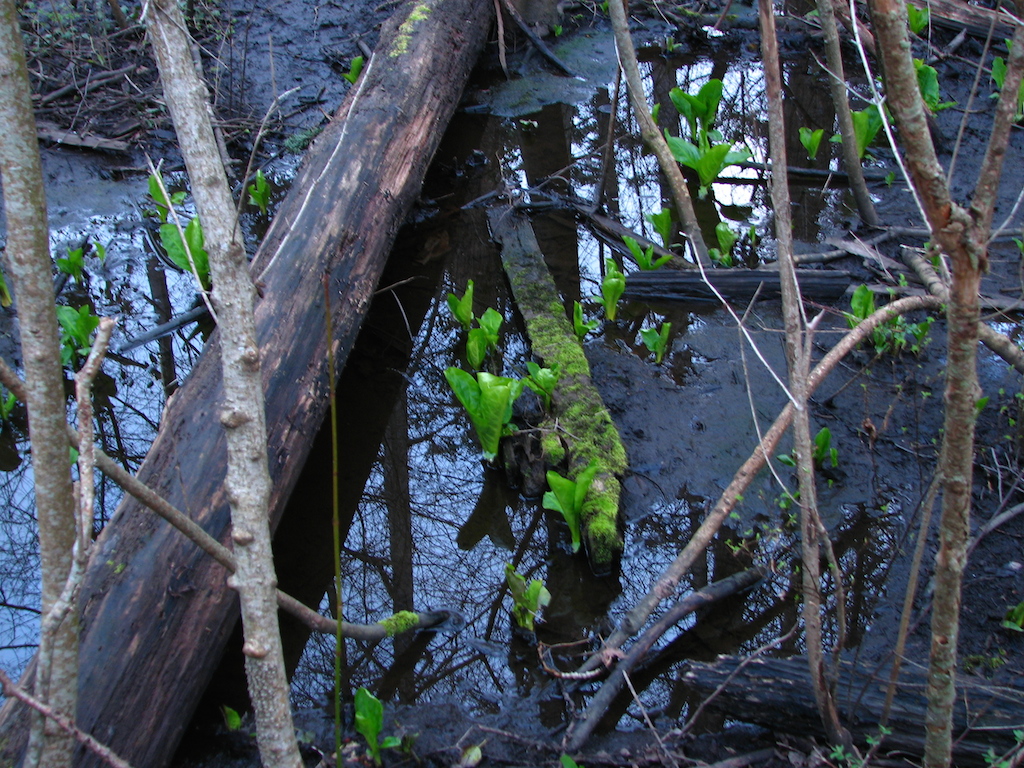
Bowker Creek is roughly 8 kilometres long and starts at the University of Victoria campus. The freshwater creek continues flowing south, eventually reaching Oak Bay.
The creek was named after John Sylvester Bowker, an American settler who came to the area in the 1860s. Historically, Bowker creek was home to many fish like chum and coho salmon. First Nations communities relied on the creek as a source of food and fresh water.
By OB H
The issues surrounding Bowker Creek such as plastic entering the creek and the water quality, among other things, have significant impacts on life in the creek. With great efforts, we can reduce the amount of litter in the creek and improve overall water quality. This will create a better environment for not only the students using the learning space, but the entire ecosystem of the creek.
By OB H
Volunteering for community cleanups and being more aware of our ecological footprint can help keep Bowker Creek clean. Making sure you don’t litter into the creek and disposing of your garbage in the correct place will make a big difference. Teaching students about the importance of keeping the creek clean will have significant benefits in terms of reducing waste in the creek. The organisms in the creek will thank you!
By OB H
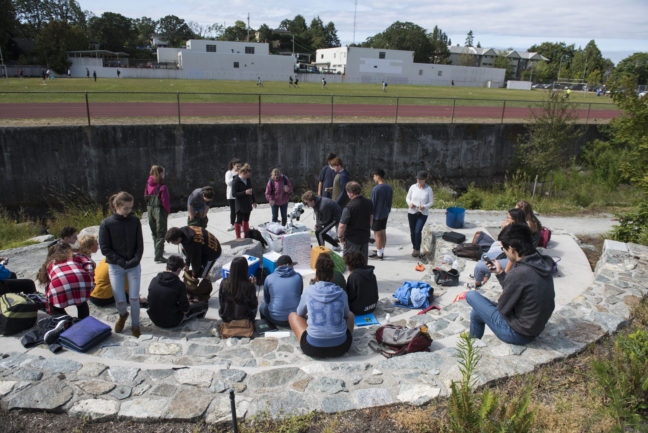
Keeping Bowker Creek clean will have a multitude of aesthetic and recreational benefits. The outdoor classroom near the creek serves as a learning space for the students of Oak Bay High and provides a unique learning experience that not many other schools can offer. The diverse ecosystem gives students a chance to further their understanding on how biodiversity affects an ecosystem, and the effects invasive species can have on native species. Residents of Oak Bay also enjoy walking their dogs or biking on the trail and seeing the clean, vibrant space.
By OB M
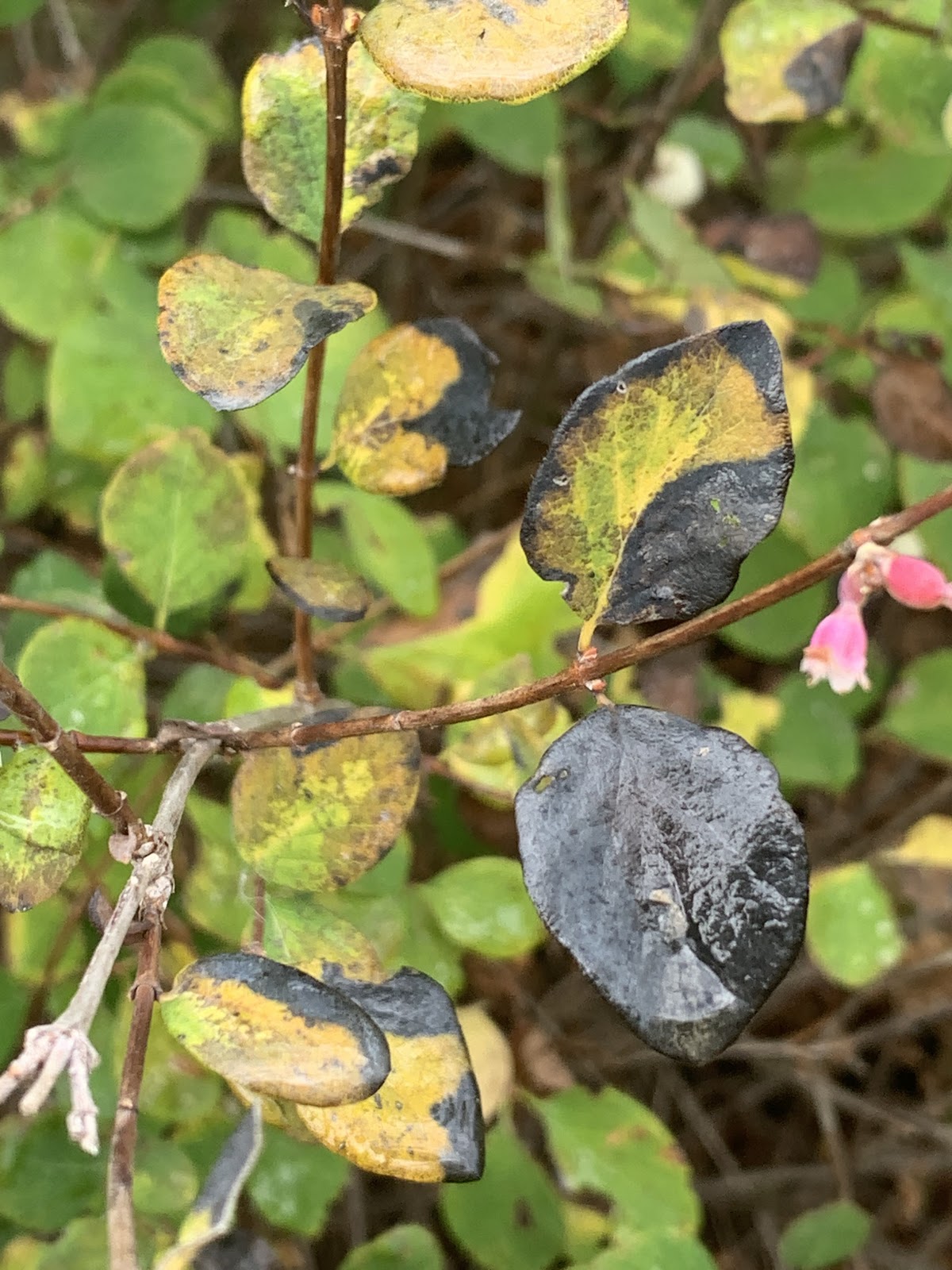
When the decomposers decompose organic material and organisms, they contribute in bringing nutrients into the soil, continuing the nitrogen and carbon cycles. Bacteria also contributes to the phosphorus cycle returning phosphorus needed by animals to the soil and water, that plants absorb.