
By OB M
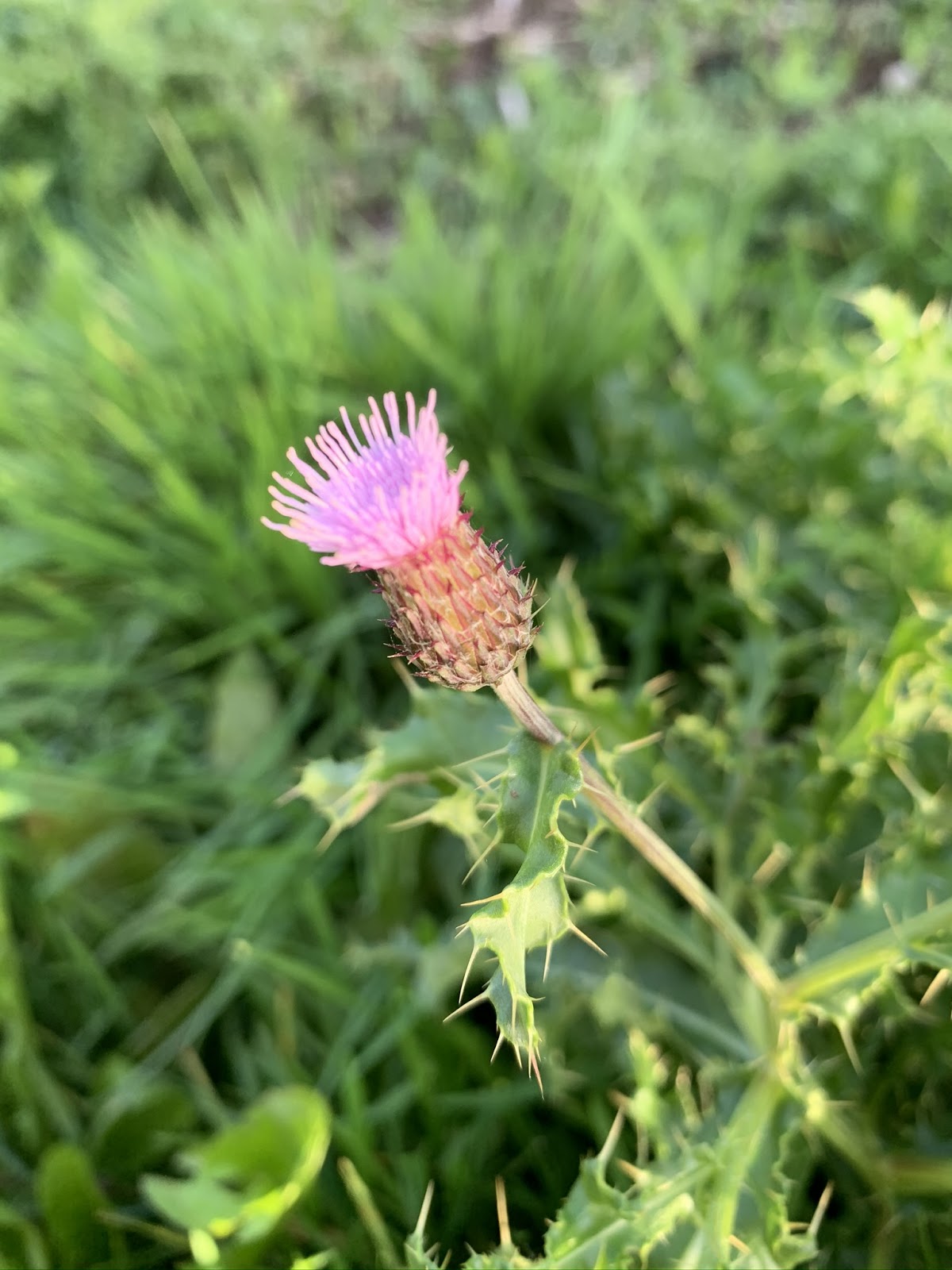
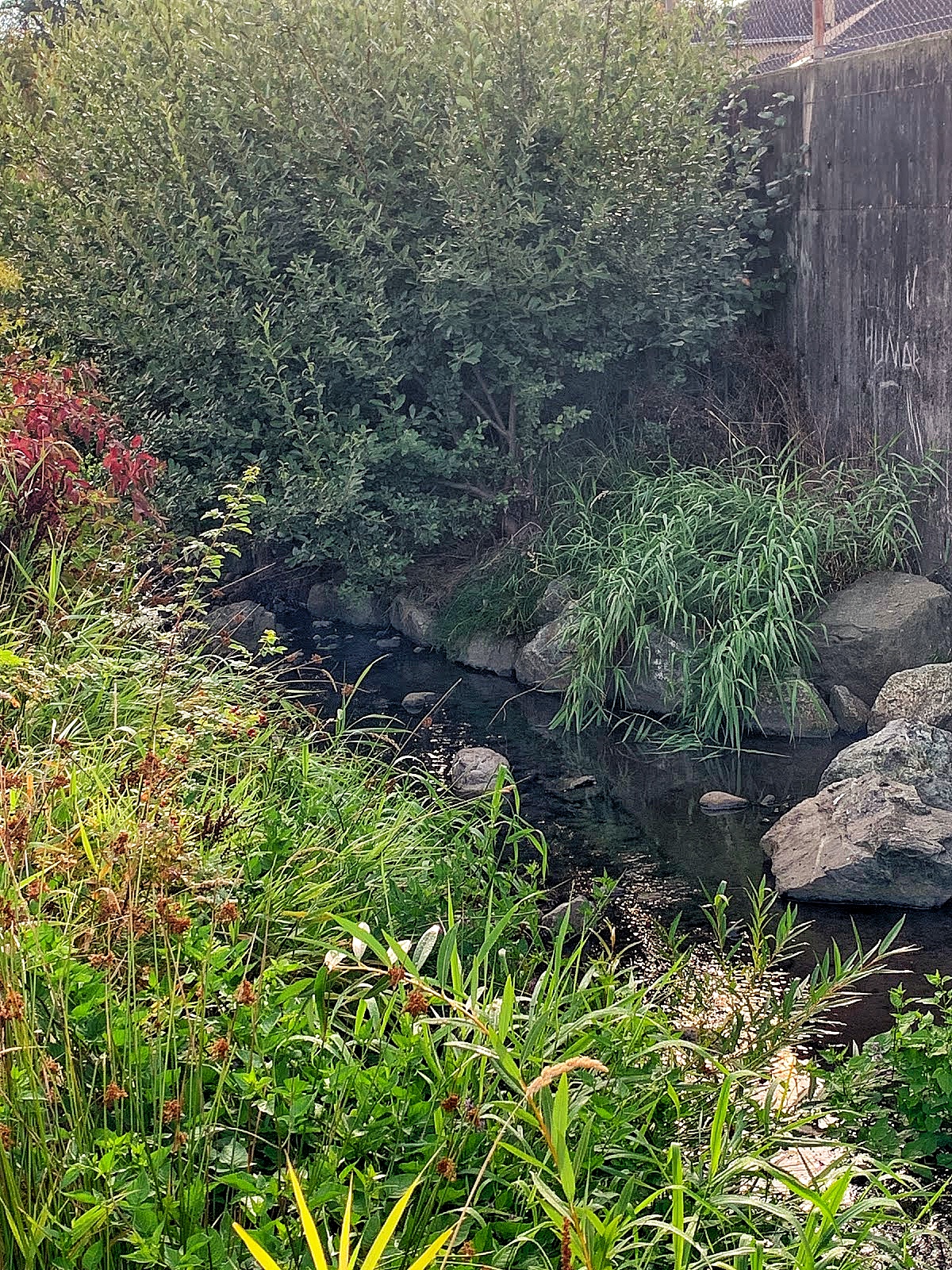
Before humans moved into the oak bay are Bowker creek had one supported salmon, and provided food for First Nations in the area. As settlers came, and Urban development started, Bowker creek became used for drainage,and is still used for controlling water runoff from roads.
By OB M
Bowker Creek has some aquatic animals in the ecosystem, like sticklebacks and leeches. If for some reason the stickleback fish in Bowker Creek went extinct there would be an abundance of many insects because that is what the stickleback fish eat.
By OB M
In this playlist we explore what would happen if organisms form Bowker Creek went extinct, and how it would affect the environment. If all insects and aquatic invertebrate went extinct what parts of Bowker Creek’s riparian ecosystem would be affected? What would be some benefits and consequences?
By OB M
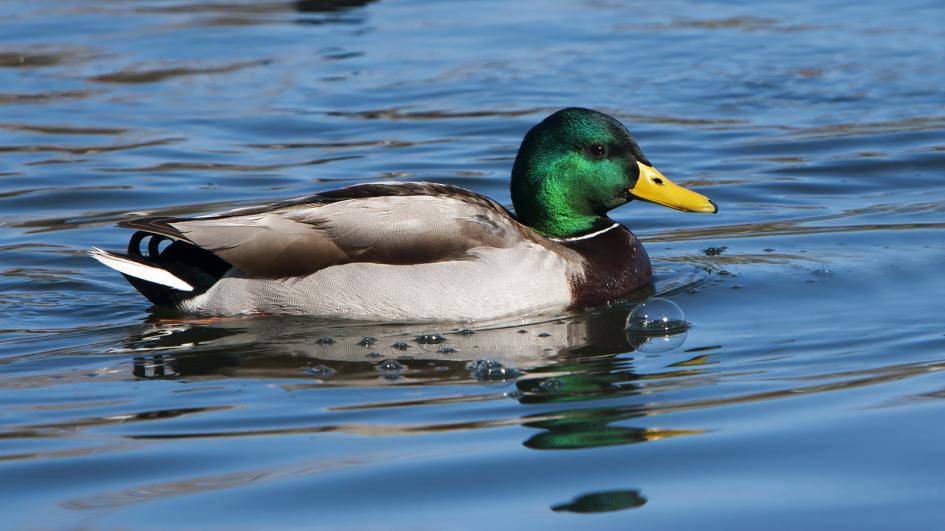
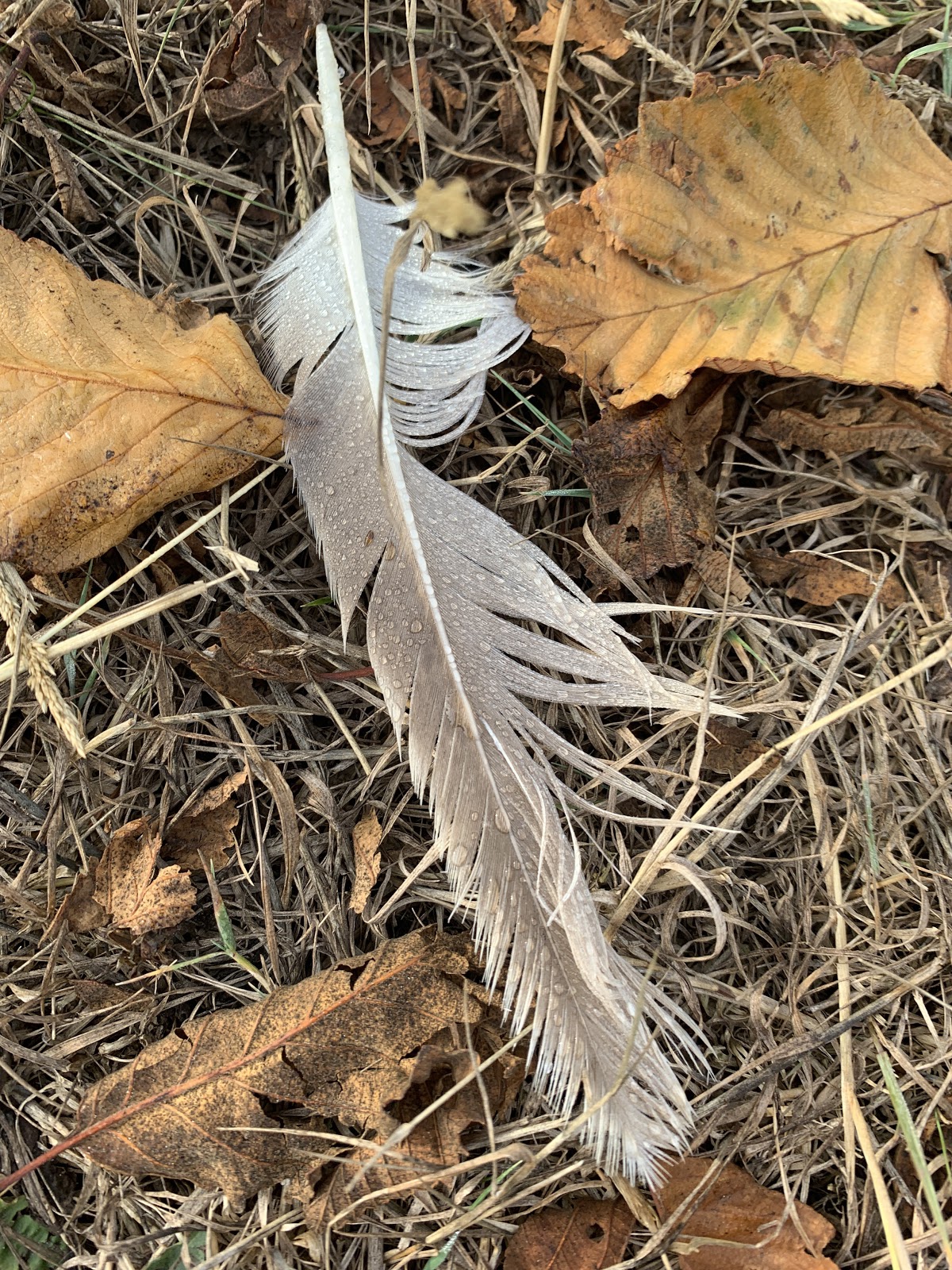
Bowker Creek is home to many different animals. We found that the most regular animals in the Bowker Creek ecosystem were the Mallard Ducks, and Stickleback fish. In the past we had a salmon cycle in Bowker Creek, but due to urbanisation they have stopped showing up.

By OB B
If the creek was restored to its natural condition, chum and coho salmon could spawn in the creek as they did in the past.
By OB H
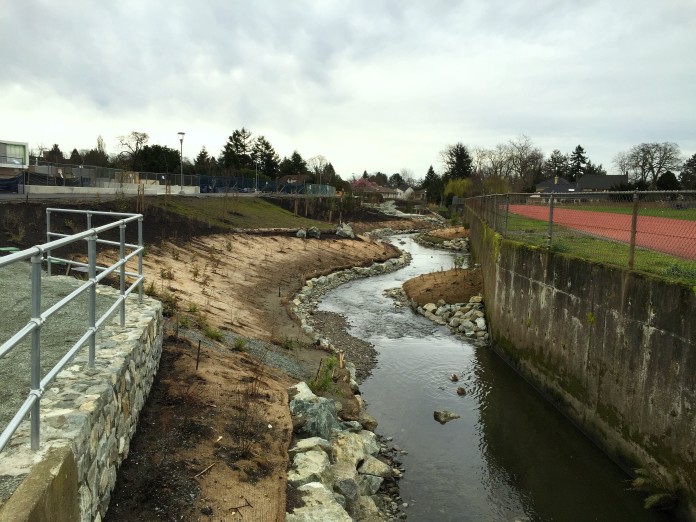
In 2015, Oak Bay High School and the Greater Victoria Green team rebuilt the creek channel, adding in native vegetation along the creek bank. The collaboration also included building an outdoor classroom space and trail to use.
By OB H
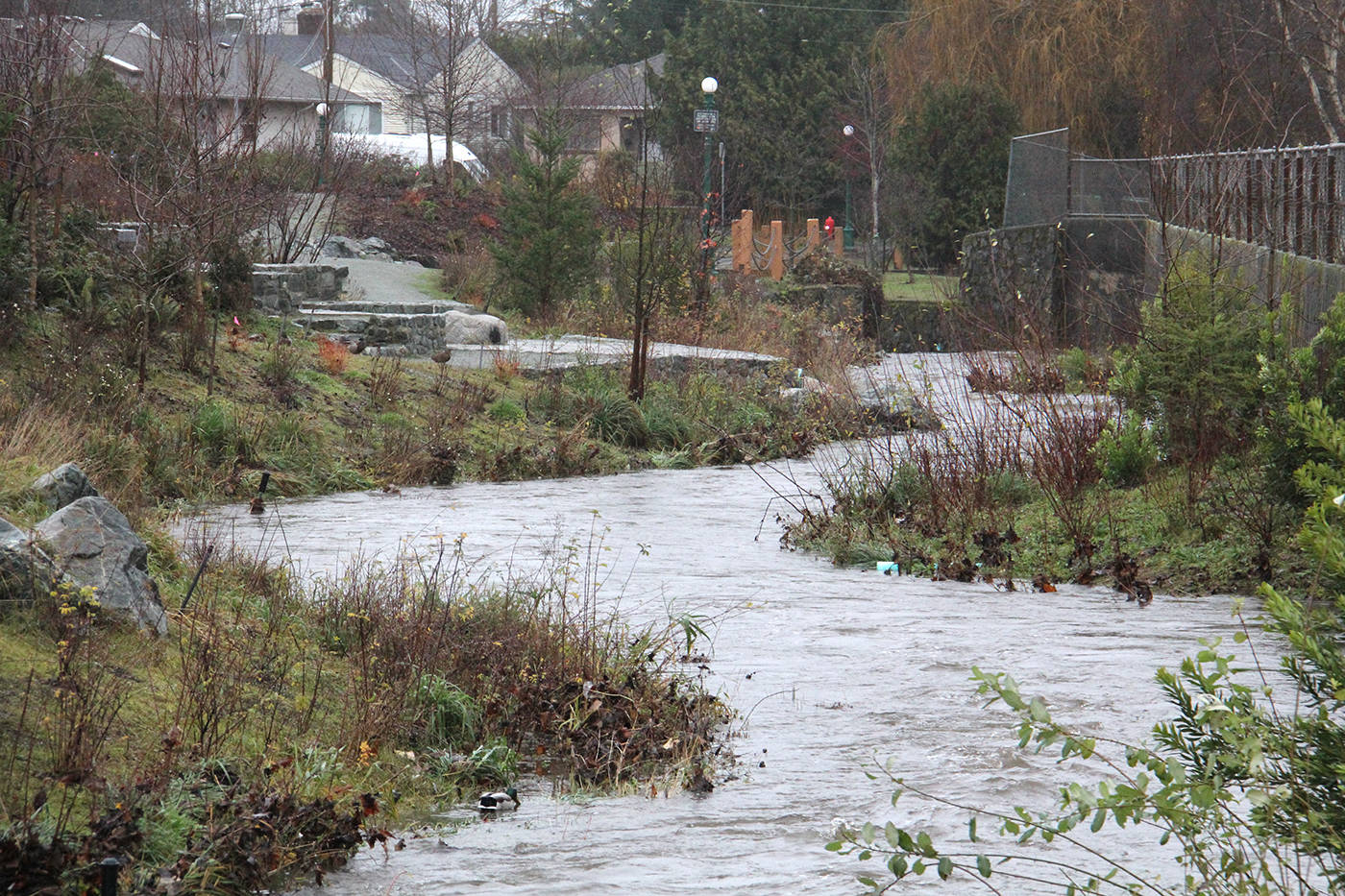
Floods have been infrequent and limited to certain locations. Flooding at Trent Street due to heavy rainfall threatens numerous buildings surrounding St. Patricks School. The flooding problem in Bowker Creek spans three municipalities and remediation efforts prove to be expensive. To combat the flooding issue, the creek channel was dug out, straightened and enclosed in pipes to increase drainage and lessen the risk of flooding in surrounding areas.
By OB H
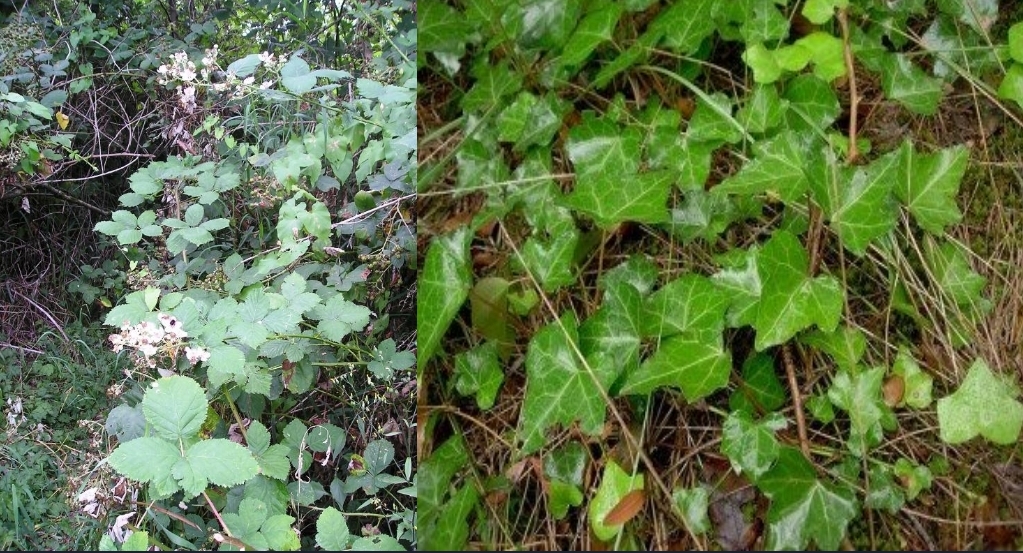
Invasive species in Bowker Creek pose a threat to the native species as they tend to out compete them, which puts the biodiversity of the ecosystem at risk. Two common invasive species in Bowker Creek include the Himalayan blackberry (Rubus discolour) and English ivy (Hedera helix). These two species are both known for their ability to spread and form thick, inaccessible thickets. Both of these species can limit the growth of native species and decreases overall biodiversity.