
1In 1 playlists
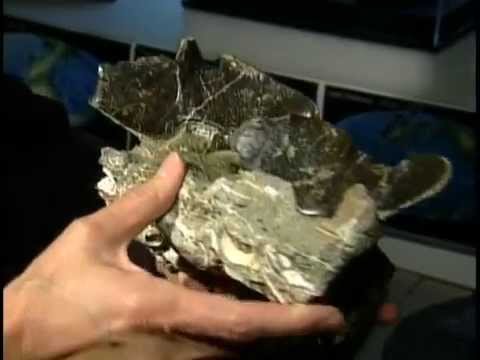
The Royal BC Museum houses nearly 100,000 fossils. Many of the pieces in the fossil collection were found by amateur collectors instead of archaeologists. Marji Johns of the Royal BC Museum and archives discusses the collection, the history of donation to the museum, some significant items, and where fossils have been found within the province.
1In 1 playlists
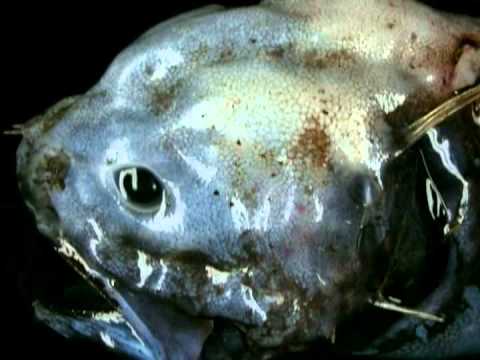
While on a deep water survey trip on October 11, 2006 museum scientists and researchers were thrilled to pull up a Spiny-Eared Assfish, the first discovered in BC waters.
1In 1 playlists
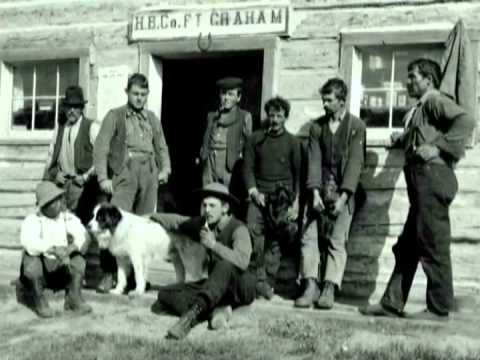
The Royal BC Museum houses a diverse collection of animal skeletons and skulls. None are quite so intriguing as the "mammoth marmot" skull with overgrown, tusk-like teeth.
1In 1 playlists
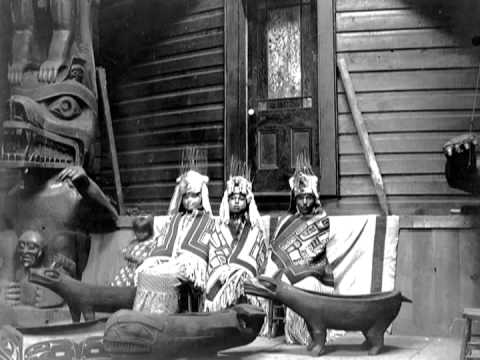
The Newcombe collections consists of over 1400 pieces of Indigenous art. The items were collected by Charles Newcombe and his son William in the mid to late 1800s. Most of the items came with detailed documentation almost as valuable and informative as the objects themselves.
1In 1 playlists
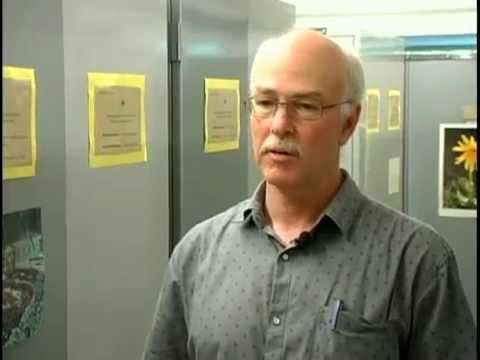
The scotch thistle is bigger and flashier than its Canadian counterpart and some samples at the Royal BC Museum are among the oldest in the botany collection. They were gathered in the late 1800s by BC's first agriculture minister and their value in teaching us about invasive species may be even higher today.
1In 1 playlists
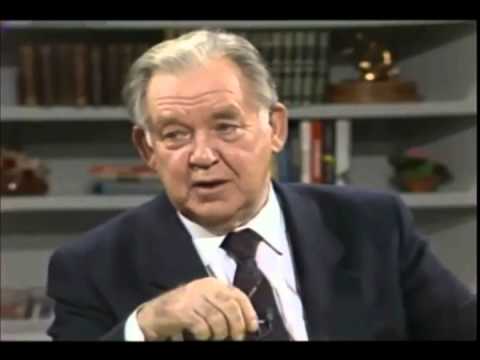
Iconic TV personality Jack Webster hosted a regular TV show from 1978-1987. The Royal BC Museum and Archives holds recordings of Webster episodes, but they are deteriorating and the technology used to play them obsolete. These recordings are being digitized to preserve this media legacy and to keep episodes of Webster accessible for future viewers.
1In 1 playlists
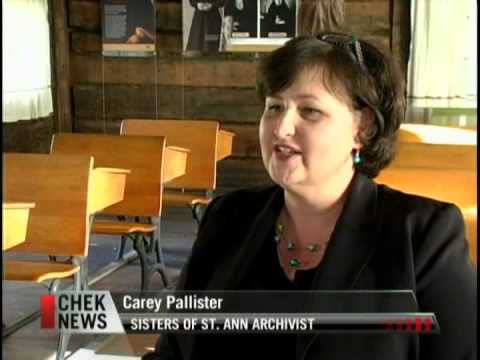
St. Ann's school opened in 1858 and began sending pamphlets to parents explaining what they could expect from the school and courses to be taught. The printing press that created these pamphlets was brought from France and was the first printing press in BC. It is on display in the "Print Shop" in the museum's Old Town Gallery.
1In 1 playlists
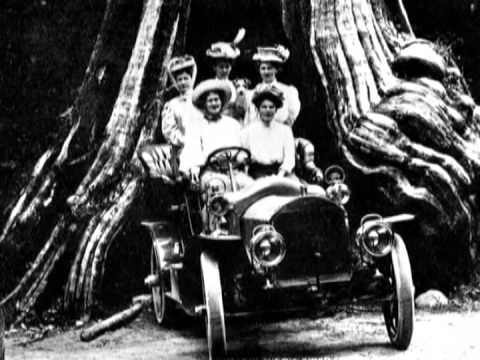
Until January of 1922 British Columbia drivers drove on the left side of the road. Legislation changed in early 1922, requiring drivers to drive on the right side of the road. Learn about "Elizabeth", a Model T Ford housed in the museum's Old Town Gallery that would have been part of this transition from the left to the right side of the road.